
Table of contents
TL;DR
- AI writing tools generate drafts, outlines, and edits.
- Boost productivity and creativity with automation.
- Avoid common AI pitfalls and misuse.
- Real-world examples for practical adoption.
You’ve got deadlines piling up and your content to-do list is longer than ever, but your writing process drags or you freeze up at the blank page. If you’re a website owner, marketer, or content creator, you’re probably wondering if AI can take some of the weight off—and how to actually make it work for real, publishable writing.
This guide gives you a clear, step-by-step walkthrough on how to use AI for writing, even if you don’t consider yourself techy. You’ll see the core concepts, learn how AI fits into content creation, and get practical examples for using AI to write faster, better, and with less stress.
What Is AI for Writing? A Clear Definition
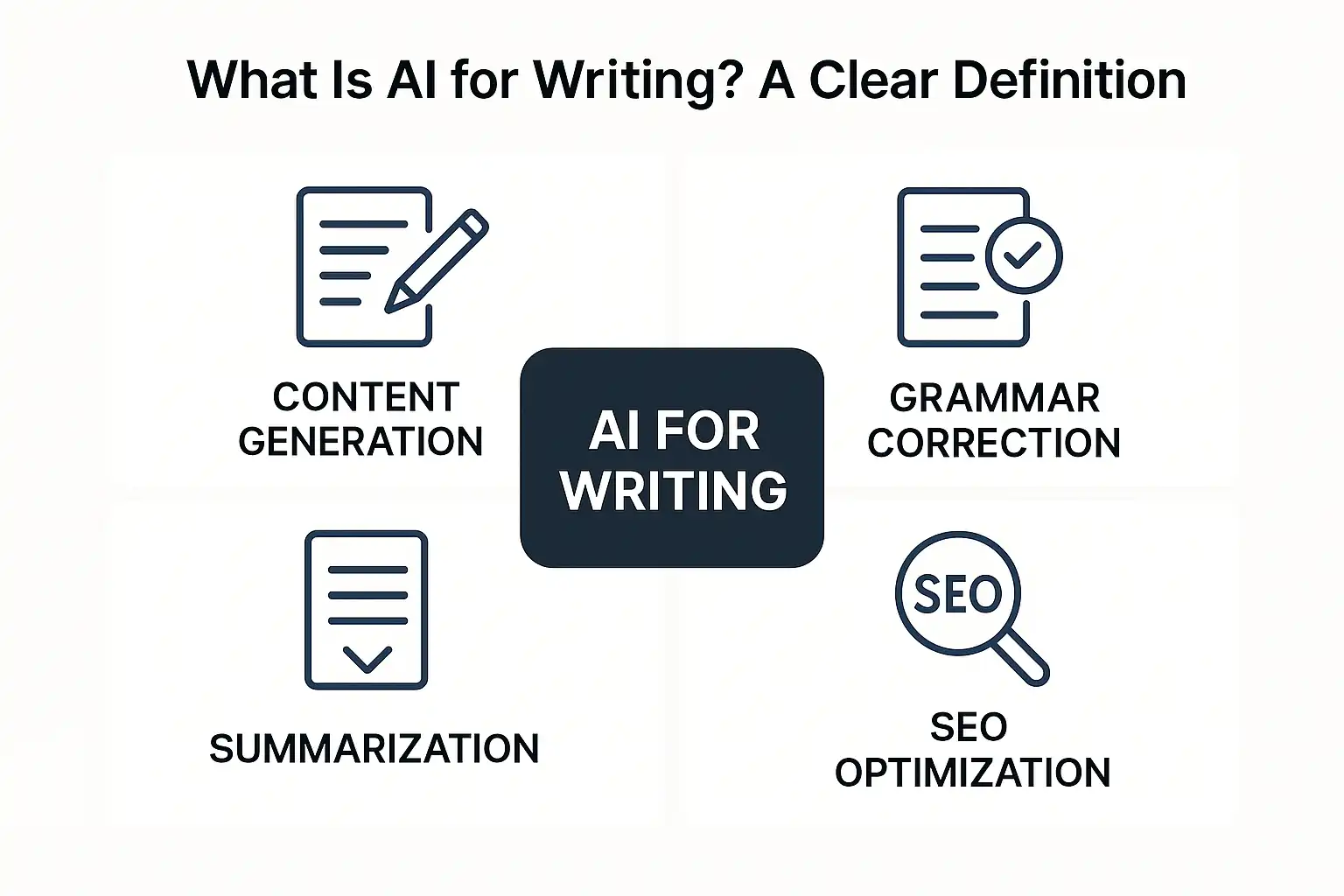
AI for writing refers to software that automates the creation, editing, and structuring of written content using artificial intelligence. Understanding how these systems work—and what sets them apart—makes a big difference if you want to know how to use AI for writing effectively.
Key Terms: AI, NLP, and Content Generation
Artificial Intelligence (AI) is technology built to perform tasks that normally require human intelligence, including understanding language and making decisions. Natural Language Processing (NLP) is a subset of AI focused on analyzing, comprehending, and generating human language. Content Generation is the automated process of producing text, from sentences to entire articles. According to Applied Sciences homework help, NLP forms the backbone of AI-powered writing tools, enabling them to understand context, tone, and structure. In day-to-day use, you’ll see these terms pop up everywhere—from academic research to practical marketing platforms.
Types of AI Writing Tools
AI writing tools fall into a few categories depending on their primary function. Text generators produce original drafts based on prompts, while editing assistants focus on grammar, style, or clarity. Some solutions combine both, creating and refining content in one workflow. For example, platforms that support content automation streamline the process from keyword selection to publishing blog articles. In practice, teams often discover that the most effective results come from using multiple tool types together—pairing a draft generator with a headline analyzer or plagiarism detector.
Understanding Text Automation
Text automation is the use of AI to handle repetitive writing tasks and bulk content production. The core idea is simple: AI receives a prompt and outputs structured text—sometimes hundreds of variations in minutes. Many content automation platforms go further by integrating with other tools, publishing directly to blogs or websites. A common pitfall is relying on automation for highly creative or specialized work—those tasks usually need human fine-tuning. For most standard content, though, automated workflows can speed up projects that would otherwise take hours.
Tip: Always start with a clear intent and defined topic when using AI writing tools; vague prompts often lead to generic or irrelevant output.
Why AI Writing Matters for Content Creators
AI writing is changing how people create content by making the process faster and more scalable than manual writing alone. Content creators use AI tools to stay productive, experiment with new formats, and meet ever-growing demands for fresh material.
Key Benefits: Productivity and Scale
"AI writing significantly boosts productivity and enables content creators to scale their output in ways that manual methods can't match." According to Attrock, AI tools can accelerate drafting, automate edits, and even handle repetitive writing tasks that once consumed hours each week. This is especially useful for anyone looking for practical advice on how to use AI for writing when deadlines are tight or when the volume of work grows quickly.
In practice, most teams find that AI-powered content automation cuts down the time needed for blog articles, social posts, and even email marketing. Instead of wrestling with writer's block or revising redundant text, creators often delegate first drafts to these systems, saving their energy for final reviews and strategy. Platforms with content automation let you focus on ideas and brand voice, not on the grind of formatting and revision. The upside? Output can grow with demand—without always needing extra hiring.
Common Use Cases: Marketing, Academia, SEO
"The most common use cases for AI writing are in digital marketing, academic projects, and search engine optimization campaigns." Marketers use AI to draft blog articles, product descriptions, and ad copy at scale, keeping brands consistent and agile even when managing multiple channels. Students and educators rely on AI to structure essays or summarize lengthy readings—especially where time or language skills are limiting factors.
For SEO, AI writing tools help identify ranking opportunities and quickly generate keyword-focused articles. One workflow is pairing AI with a keyword research platform to automatically build and schedule content based on trending or low-competition search terms. In our experience, marketing teams benefit most when AI is tightly integrated with their content calendar and analytics—otherwise, the output often stays disconnected from campaign goals.
Expert Insight: AI tools work best when combined with human review—raw output often needs editing to align with your unique tone and factual standards.
Core AI Writing Concepts You Need to Know
Understanding the foundational ideas behind AI writing is essential if you want to use these tools effectively. Clear knowledge of how core concepts—like NLP, machine learning, and ethical safeguards—work will help you get better results and avoid common mistakes.
Natural Language Processing Explained Simply
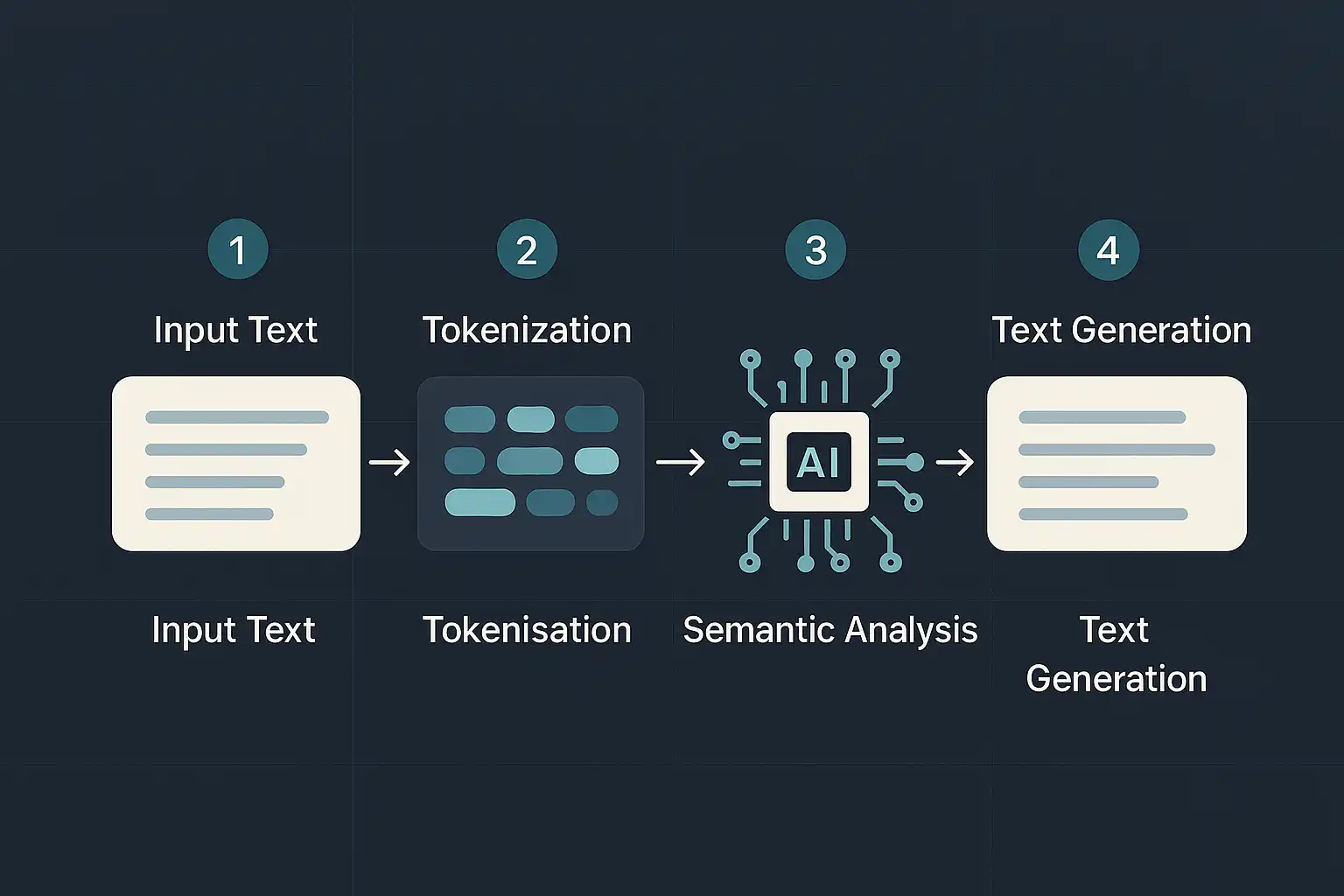
Natural Language Processing (NLP) is the area of AI focused on enabling machines to understand and generate human language. When you interact with AI writing tools, NLP algorithms analyze your prompts, extract intent, and structure original, readable content. According to Udemy's Generative AI course, NLP underpins every stage of the writing process, translating input into grammatical, context-aware text. In practice, you’ll notice how NLP allows AI to recognize nuances, such as tone or sarcasm—though it’s not flawless. Sometimes, language models generate awkward or off-topic sentences, so human oversight is still important. For those integrating AI into content workflows, understanding NLP basics will make prompts clearer and outputs more reliable. If you want to see how automation works in practice, platforms offering content automation showcase live examples of NLP-driven writing.
How Machine Learning Improves Writing Quality
Machine learning allows AI to improve its writing quality over time through exposure to data, feedback, and corrections. The system “learns” language patterns by analyzing vast collections of existing text. When you use an AI writer, you’re working with a model that—behind the scenes—predicts likely word choices, sentence structures, and even stylistic changes. A common pitfall is assuming all AI outputs are purely random, but consistency actually comes from trained models recognizing what works in quality writing. In our experience, providing more examples or corrections helps these tools generate sharpened, less generic drafts. Some platforms even fine-tune results for SEO, often by integrating features like keyword research directly into the AI workflow.
Plagiarism Detection and Ethical AI Use
Plagiarism detection tools help enforce ethical use of AI-generated writing by identifying potentially copied or unoriginal content. Most reputable AI writing platforms include plagiarism checks to ensure that drafts are unique before publishing. The process typically involves comparing generated text against a large database of online sources. This mostly works, except when AIs mimic common phrases or structures—false positives can happen. Ethical considerations go beyond plagiarism: transparency with readers and crediting original ideas still matter. For anyone exploring how to use AI for writing at scale, combining automated checks with human review reduces risk and builds reader trust. Many users also check their outputs using external tools before finalizing content for publication.
Expert Insight: Human review is not optional—even well-trained AI can misunderstand nuance, context, or originality in ways that automated checks may miss.
How Does AI for Writing Work? Step-by-Step
Getting started with AI for writing involves more than just picking a tool and letting it write. To truly benefit, you’ll need to understand each step—selection, setup, and quality control—all of which influence your results.
Step 1: Choosing the Right AI Tool
Choosing the right AI writing tool is the foundational step for anyone learning how to use AI for writing. Most tools on the market offer different features—some focus on long-form articles, others on brainstorming or editing. In practice, teams often review integration options before locking in a solution; for example, platforms that support multiple CMS integrations can save hours each month. If you want automated publishing or keyword-driven content, it’s a good idea to see all integrations and keyword support before committing. Your priorities—like SEO optimization, tone adjustments, or collaborative workflows—directly shape the best fit. The downside? Sorting through features can be overwhelming unless you map tool capabilities to your actual writing workload.
Step 2: Inputting Prompts and Structuring Tasks
Inputting prompts and structuring tasks correctly tells the AI exactly what you want it to generate. This means supplying a clear topic, style, and output length, plus any keywords or sources to guide the draft. Many new users skip prompt details, and the result is generic or off-topic content. In our experience, specific input—like asking for “a 500-word introduction on digital marketing trends, using a neutral tone”—yields stronger results. For large projects, you might break writing into bite-sized instructions: an outline, then section drafts, then editing. If you’re struggling to plan content, consider quick-starting with an Article Outline Generator to standardize your workflow.
Step 3: Reviewing, Editing, and Fact-Checking Output
Reviewing, editing, and fact-checking AI-generated writing is non-negotiable for quality and accuracy. AI-generated drafts can speed up content production, but unchecked output sometimes includes subtle errors or factual gaps. In practice, I’ve found the review phase changes everything—misplaced names, outdated stats, or awkward phrasing can survive unless you double-check every section. Many writers start with a scan for structure, then edit for clarity, tone, and accuracy. This phase is essential for upholding standards, especially when publishing under your name. If you’re working on SEO, you should also review keyword placement and relevance—automated tools sometimes overuse (or forget) target phrases.
Tip: Don’t skip manual review—AI content often needs human oversight to catch errors, voice mismatches, or problematic claims that software can’t always detect.
Real-World Ways to Use AI for Writing
AI is transforming how professionals and creators approach writing. Understanding how to use AI for writing means exploring practical applications, from content marketing to storytelling and business communication. Let’s break down some of the most useful scenarios.
Example: Blogging and Content Marketing
AI writing tools are used by marketers and bloggers to accelerate every stage of content creation. Platforms generate article outlines, draft sections, and even suggest headlines based on target keywords. Tasks that used to take hours—like researching blog topics or crafting meta descriptions—can often be automated or sped up significantly.
In practice, teams often combine AI-generated drafts with human editing. This largely eliminates writer’s block but leaves room for subject expertise and final voice adjustments. You’ll frequently see workflows where the AI suggests a content calendar or surfaces topics matched to search intent, then writers enhance the material. Curious about how AI picks strategic keywords? Check out the keyword research process that underpins automated blog content.
A common pitfall is relying on AI for everything—blending automation with nuanced human review is what drives the best long-term SEO results.
Example: Creative Writing and Storytelling
Creative writers use AI for brainstorming, generating dialogue, and overcoming blocks. Creative writing with AI means receiving new scene ideas, variations on plotlines, or even quick character studies. Most AI tools can write in the style you specify—giving prompts like "Write a suspenseful opening" or "Generate ten sci-fi names" helps.
From experience, the trick isn’t letting the AI finish your story, but rather using it to combat creative droughts or get unstuck. Some authors rely on AI to co-write entire story segments, while others prefer to limit its role to ideation only. The downside? Raw AI output isn’t always coherent or emotionally resonant. You’ll still need to refine dialogue and check narrative flow.
Short bullet list for practical application:
- Generate writing prompts or first lines
- Explore alternate endings
- Develop minor character arcs quickly
Example: Business Communication
AI supports business communication by drafting emails, internal memos, and reports. AI in business writing automates repetitive tasks, improves standardization, and can help streamline customer-facing messages. Many professionals use AI to trim wordy drafts or restructure technical explanations for clarity.
For example, teams will feed the AI a basic bullet outline, then receive a polished draft for review. It’s common to use AI to check for tone, consistency, or grammatical errors in high-volume email outreach. In my experience, bulk-generating template language with a quick human check has saved hours—especially when responding to similar inquiries repeatedly. But, results vary depending on input detail and oversight.
Tip: Always review AI-generated content for accuracy and brand alignment—AI can miss context that humans catch easily.
Frequently Asked Questions
Can AI tools replace human writers for all types of writing?
AI tools cannot replace human writers for all types of writing because they excel at generating structured, SEO-friendly content but lack creativity, emotional depth, and nuanced understanding. Tasks like storytelling, nuanced opinion pieces, and complex creative writing still benefit from human insight. Platforms like SEO Ladders use AI to automate SEO content efficiently, complementing but not fully replacing human creativity.
What are the risks of plagiarism with AI-generated content?
AI-generated content risks plagiarism if the AI reproduces existing text without proper attribution, leading to duplicate content or copyright issues. Since AI often learns from vast datasets, it may unintentionally copy phrases or ideas. Using tools like SEO Ladders helps ensure originality by generating unique, SEO-optimized articles that include citations and reduce plagiarism chances.
How do AI writing tools boost productivity compared to manual writing?
AI writing tools boost productivity by rapidly generating content drafts, aiding with research, and automating repetitive tasks like keyword integration and formatting. They shorten writing time, reduce writer's block, and enable more consistent output. Platforms like SEO Ladders further enhance efficiency by automating SEO content creation, publishing, and keyword tracking, allowing marketers to scale organic traffic with minimal manual effort.
Is editing still necessary after using AI for writing?
Yes, editing is still necessary after using AI for writing. AI can generate quality drafts quickly, but human review ensures accuracy, tone, and relevance. Editing also helps tailor content to your audience and corrects any AI errors. Tools like SEO Ladders provide AI-generated SEO-optimized articles that you can easily edit to fit your style before publishing.
Do most people misunderstand the limitations of AI writing tools?
Yes, many people overestimate AI writing tools, expecting flawless creativity and accuracy. AI often lacks deep understanding, struggles with complex nuances, and can produce outdated or generic content. Knowing these limits helps users apply AI as a helpful assistant rather than a full replacement. Platforms like SEO Ladders optimize AI to focus on realistic SEO content goals, addressing these common misunderstandings.
Conclusion
Learning how to use AI for writing can turn a time-intensive content slog into a smoother, more productive workflow.
- Pick your AI writing tool and get familiar with its key features
- Set clear goals for each piece you want to create (blog, ad, FAQ, etc.)
- Start with a basic prompt, then iterate based on results and feedback
- Always review, fact-check, and add your voice before publishing
With steady practice and smart tweaks to your process, you’ll unlock more time for strategy, outreach, and even creativity. ↑ Back to top
Ready to move from theory to action? See exactly how automation works and how AI can streamline your whole content pipeline on our Schedule & Publish page.
Want this done for you? SEOLadders finds the topics, writes the articles, and gets you cited by AI and ranking on Google, on autopilot.
7-day free trial · Cancel anytime