![10 Top Generative Engine Optimization Platforms Used for AI Search Rankings [2026]](/_next/image?url=https%3A%2F%2Fyaufotvuqcmtbrsawxxf.supabase.co%2Fstorage%2Fv1%2Fobject%2Fpublic%2Fblog-images%2F7824b60b-69af-4760-84cb-d4b8174c2c7b%2Farticles%2F1791080201706-featured-1791080201703.webp&w=1920&q=75)
Table of contents
TL;DR
- 10 best generative engine optimization platforms reviewed
- SEOLadders leads with all-in-one automation for AI & SEO
- Clear comparison table: features, price, best uses
- Expert section on how to choose your GEO tool
You've invested time and budget into SEO. Yet, when you check major AI search engines like ChatGPT or Gemini, your brand barely appears. For in-house SEO leads and marketing teams, this can be frustrating. They want real visibility across both Google and AI-driven search. But juggling scattered tools and endless manual tasks becomes exhausting.
This article lists the top generative engine optimization platforms. These tools help improve rankings in both traditional search and AI-powered engines. You will see which platforms excel in automation, AI visibility tracking, content generation, and seamless publishing. These tools work well even if your team lacks deep SEO expertise. If you want to boost AI search rankings today, this guide has the answers. SEOLadders stands out for offering all-in-one automation.
Top Generative Engine Optimization Platforms at a Glance
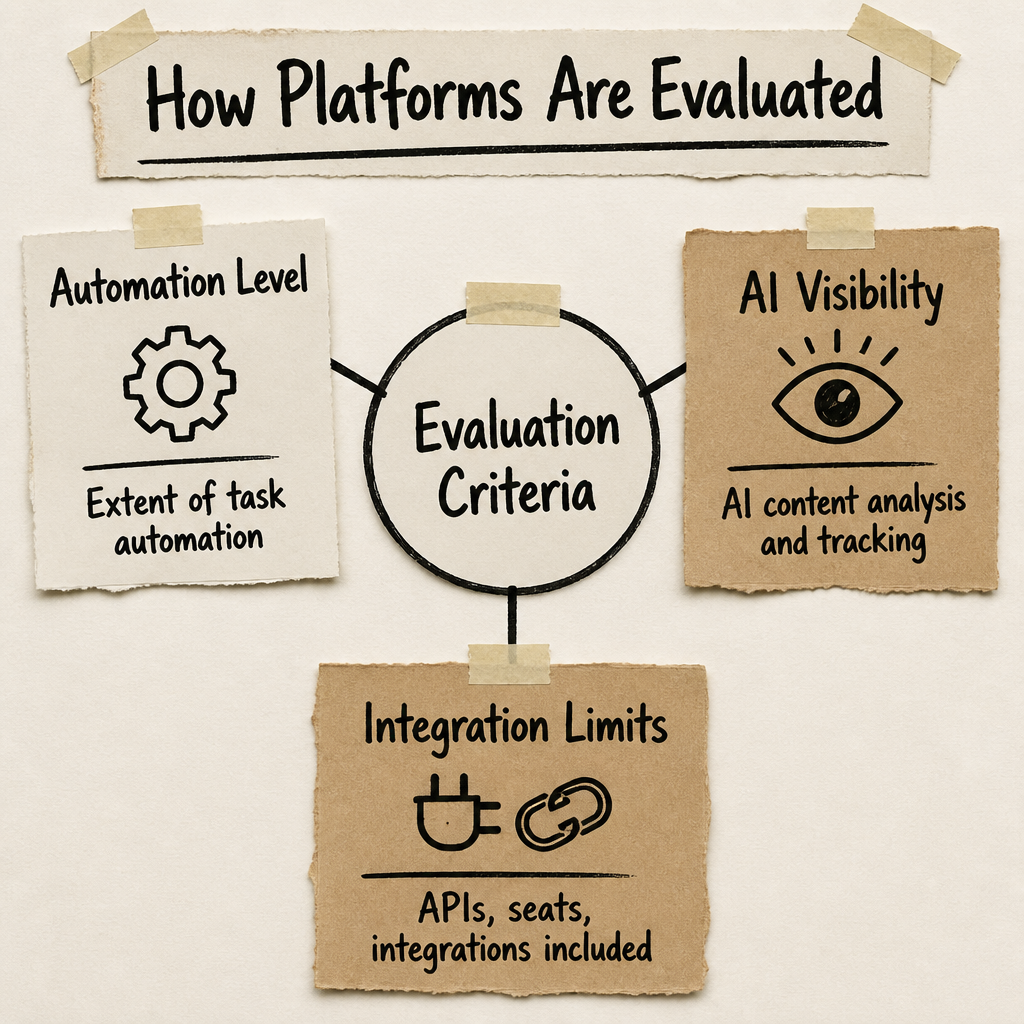
Evaluating generative engine optimization platforms comes down to automation, AI visibility, and integration limits. The comparison table below gives a side-by-side summary of the top tools for teams prioritizing AI search rankings in 2026. Use the Master Comparison Table below to compare all ten platforms reviewed in this article.
Master Comparison Table
This table highlights the core differences between the ten most-used generative engine optimization platforms for AI search rankings. Each tool is listed with up-to-date pricing, included usage, unique features, and integration options as of 2026. SEOLadders appears first, as it is the only solution that combines AI search prompt tracking, automated SEO content, link building outreach, and ongoing site technical audits in one plan.
| Platform | Starting Price* | Usage Included | AI Engine Coverage/Tracking | Article Automation | Integrations | Free Trial |
|---|---|---|---|---|---|---|
| SEOLadders | $97/site/mo† | 30 articles + 15 pitches/mo | 6 engines, 30 prompts/3x weekly monitoring | Yes | WordPress, Webhook, Ghost, (Webflow/Framer soon) | 7 days |
| Semrush | $117.33/mo | Site/keyword/competitor limits | Share of Voice, mobile, API, SERP tracking | Not listed | Websites, SEO APIs | Free plan |
| SE Ranking | $50/mo (Wallet) | Wallet or annual credits (100K—120M+ credits/yr) | Share/AI answer/SEO tracking | Not listed | Not listed | 100K free credits |
| Riff Analytics | $49/mo (Starter) | Unlimited competitors | All AI models, daily checks | Not listed | Not listed | 7 days |
| BrightEdge | Not listed | Enterprise usage | Focused on organic search, traffic, conversions | Not listed | Custom dashboards | Not listed |
| seoClarity | $2,500/mo (Content) | Custom (by plan/features) | Rank tracking, content/SEO/tech audits | Not listed | APIs, Log files | Not listed |
| Authoritas | £89/mo (P1 plan) | Tiered by usage/queries | Multi-platform AI tracking, intent scoring | Not listed | API, reporting | Free plan |
| WordLift | $1,100/mo | Business+ package | Knowledge Graphs, AI content for e-com | Yes | E-com, CMS | Not listed |
| Kalicube Pro | $997 (DIY plan) | Brand panel management | ChatGPT, Gemini, Perplexity, Google | Not listed | Consulting, custom | Not listed |
| Profound | Free trial, Custom | Enterprise, credits | AI engine tracking, agent workflow, SSO | Agents draft/approve | Not listed | Free trial |
*All verified vendor pricing as of 2026; always confirm latest details. †First month for SEOLadders is $48 with 7-day free trial.
Key takeaways for in-house teams:
- SEOLadders covers automated AI prompt tracking plus full SEO and self-service publishing.
- Semrush and SE Ranking offer robust visibility monitoring but less automation on the generative content side.
- Some platforms, like BrightEdge or seoClarity, are best suited for enterprise search needs rather than execution.
- AI-first tools such as Riff Analytics and Profound focus on how brands appear in AI answer engines, but may lack publishing or outreach workflow.
- See how it works for a deeper look at SEOLadders' tracking and publishing workflow.
For detailed insights, refer to the first four platform reviews below, which expand on SEOLadders, Semrush, SE Ranking, and Riff Analytics. Reviews for the remaining platforms will follow, providing a complete guide to selecting the right generative engine optimization tool.
Tip: Always validate package details and usage caps directly with each platform’s own pricing or support pages, as tiers and capabilities change frequently for AI and SEO tools.
How We Selected These Platforms
Selecting the top generative engine optimization platforms used for AI search rankings requires clear, objective criteria. Each tool featured here was chosen to meet the evolving demands of in-house SEO teams prioritizing both search and AI-driven visibility.
Ranking methodology
Our ranking process combined objective capability analysis and commercial applicability. Platforms were scored using a multi-factor framework that emphasizes AI answer visibility and actionable search optimization, not just traditional SEO metrics.
What qualifies as a GEO platform
A generative engine optimization (GEO) platform is defined by its direct action on AI answer and citation visibility, beyond traditional rankings. To qualify, platforms had to automate not only SEO research but also content outputs and citation monitoring tailored for generative AI responses.
Key requirements:
Commercial criteria used
Commercial fit was measured by accessibility, scalability, and transparent value. Platforms must offer either a free trial or publish clear pricing, with support for common business scenarios from solo founders to agencies. According to AlienRoad, most leading generative AI SEO platforms provide trial access or demos—this was a baseline requirement.
- Transparent pricing—Costs and limits published up front (see SEOLadders pricing).
- Viable for in-house teams—Not just consultants or multi-seat enterprises.
- Export/reporting capabilities—Dashboards, analytics, and result export to empower regular, informed decision-making.
Expert Insight: GEO platforms are rapidly evolving, so an annual review is critical—don't assume last year's leader will stay ahead as AI search changes.
1. SEOLadders — All-in-One AI & SEO Automation
SEOLadders is designed to automate traditional SEO and generative engine optimization so teams can boost rankings and visibility in both Google and major AI search engines. Below, you'll find a clear breakdown of what sets it apart among the top generative engine optimization platforms used for AI search rankings.
What it is
SEOLadders is an AI-powered SEO platform that automates research, content creation, publishing, and visibility tracking across both search engines and AI models. The system addresses traditional and AI-driven ranking signals by planning, writing, and auto-publishing expert articles designed to improve performance in Google results and earn brand mentions in tools like ChatGPT, Gemini, Claude, and Perplexity.
Best for
SEOLadders is best for in-house SEO teams, founders, and agencies that want to cover both traditional and AI search optimization without multiple tools or agency contracts. It fits organizations without deep in-house SEO resources, solo marketers, and teams looking to reduce time spent on manual planning, writing, technical fixes, and outreach.
Key features
SEOLadders automates the entire SEO lifecycle, combining these features in a single product:
Pricing
SEOLadders offers a single plan priced at $97 per month per site, with a 7-day free trial and a discounted $48 first month. Pricing is flat—there are no add-ons or tiered features. The plan includes up to 30 articles monthly, five team seats, all integrations, AI visibility tracking, site audits, and link outreach.
Pros and cons
SEOLadders balances high automation with visibility and control, but may not suit every workflow.
Pros:
- Truly all-in-one: combines SEO planning, writing, publishing, AI prompt coverage, and reporting
- No SEO expertise needed: ideal for resource-constrained teams
- Direct publishing + approvals: flexible, with strict user control
- Unlimited clusters, 5 free seats: generous for agency setups
Verdict
SEOLadders stands out as one of the top generative engine optimization platforms used for AI search rankings because it unifies content, audit, publishing, and AI citation in a single workflow. Teams looking for hands-off, always-on AI and SEO coverage with clear user controls will find it unmatched at this price.
Tip: The 7-day free trial includes access to all features, so you can preview automated content and visibility reporting before paying.
2. Semrush — For Full-Stack Digital Marketers
Semrush is recognized for its broad toolset and deep data resources tailored to digital marketing professionals. It stands out for organizations seeking a platform that addresses every phase of SEO, content, and competitor analysis.
What it is
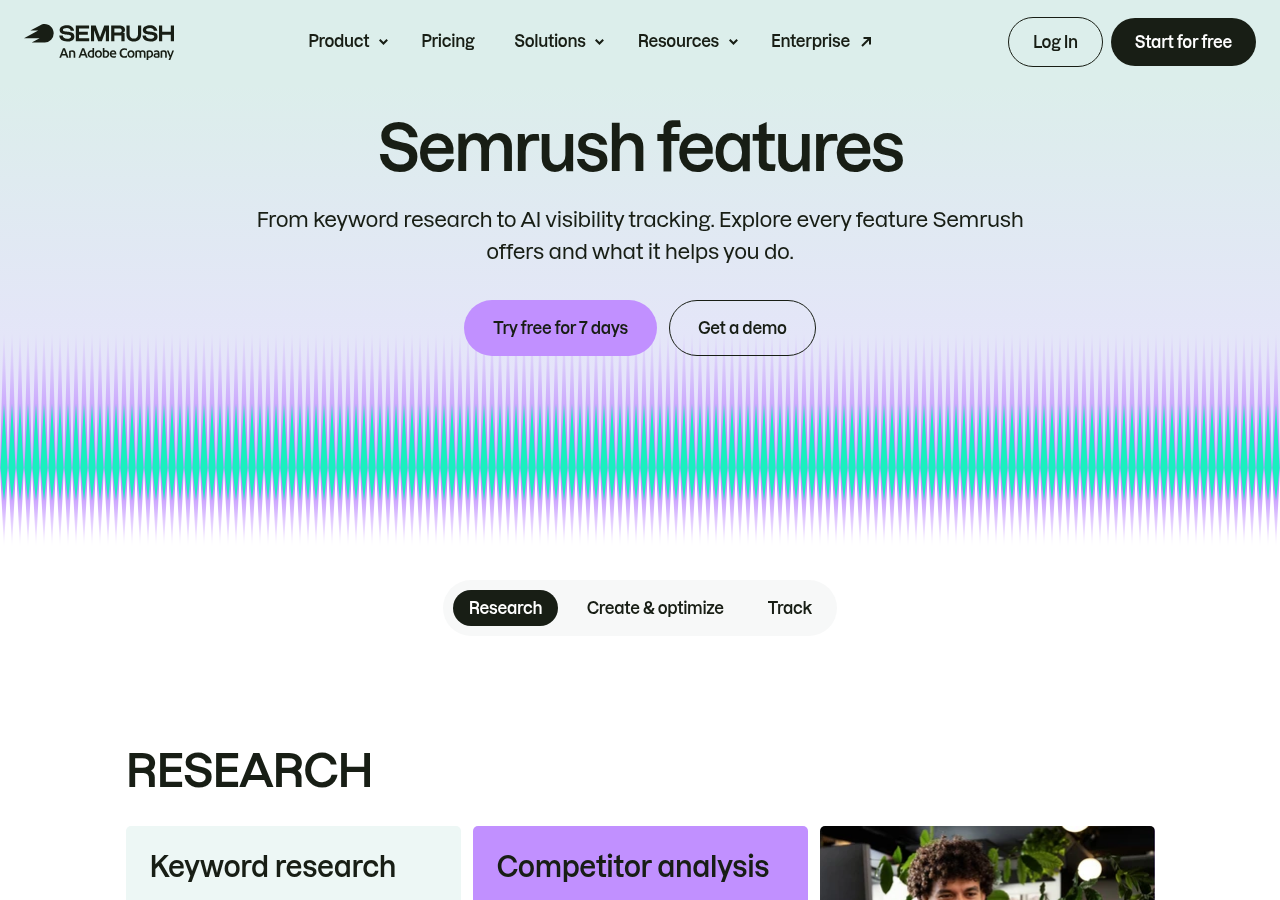
Semrush is a digital marketing platform offering a unified suite for keyword research, rank tracking, AI visibility, competitor monitoring, backlink analysis, and campaign management. Its scope covers more than just SEO—marketers can access data and tools for PPC, social media, content marketing, and more, all connected for holistic strategy oversight.
Best for
Semrush is best for teams with established marketing operations needing in-depth analysis and broad channel coverage. It excels when in-house or agency staff have the expertise to interpret detailed reports and transform them into campaigns. Key user groups include:
Key features
Core Semrush features span keyword, site, and AI visibility intelligence. Among the tools provided:
- Keyword tracking (daily)
- Competitor monitoring
- Backlink analytics
- Custom dashboards and automated reporting
- Mobile and local data
- API integration for automation
- AI visibility tracking included on all paid plans
- Content, PPC, and social media suites in one login
Pricing
Semrush pricing is tiered by feature set and tracked keyword volume, starting at $117.33/month for the SEO plan. Higher tiers go up to $455.67/month for large agencies or enterprises with advanced workflow needs. A free plan is available, with core capabilities restricted.
Pros and cons
Semrush's main strengths lie in data coverage and workflow flexibility, but its complexity can challenge smaller teams.
Pros:
- Extensive data for SEO, competitors, and links
- Covers PPC, local, and content marketing too
- AI visibility tracking integrated from Starter plan upwards
- Customizable reporting
Verdict
Semrush is a top choice for organizations wanting a central command center for every aspect of digital marketing, not just SEO. Its breadth suits expert users or agencies, but those looking for automation from analysis to publication may find the need for hands-on execution a key limitation.
Expert Insight: Semrush gives unrivaled research depth, but teams without deep SEO skills may find execution slows without automated publishing or content rewriting.
3. SE Ranking — Versatile AI-Powered SEO Suite
SE Ranking is a flexible platform built for organizations looking to manage both standard SEO and AI-driven visibility from a single dashboard. This section breaks down its unique characteristics and value for in-house teams targeting AI search rankings.
What it is
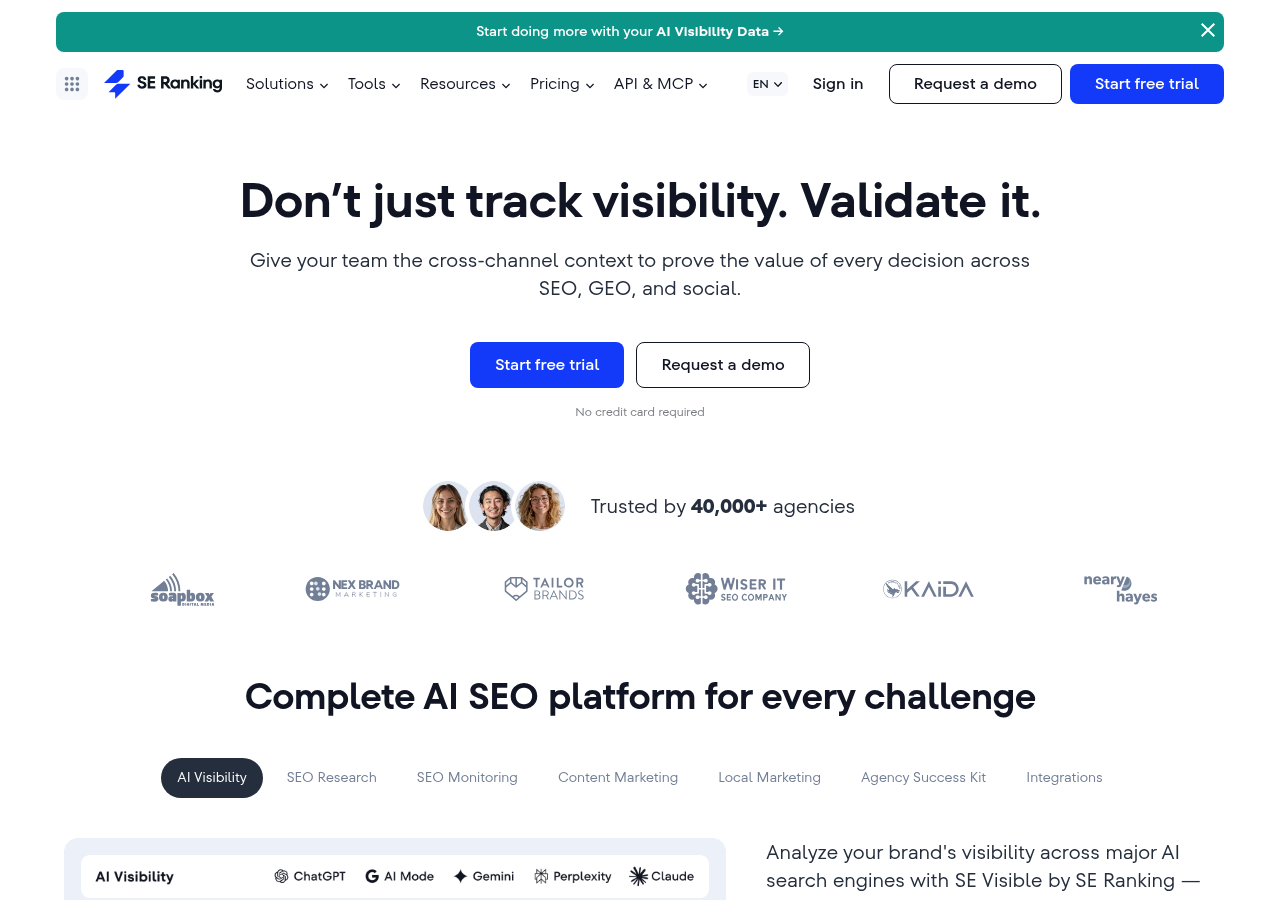
SE Ranking is an integrated SEO and AI visibility platform for businesses seeking to monitor, analyze, and improve organic search and AI answer performance across multiple channels. It connects keyword tracking, site auditing, competitive research, and AI prompt visibility, providing one environment to unify search optimization and AI monitoring.
Best for
SE Ranking is best suited for mid-size brands or agencies managing several projects that require in-depth SEO research with the flexibility to track AI search performance. Teams with a dedicated SEO function will get the most out of its comprehensive analytics and reporting tools. Typical use cases include tracking large keyword sets, coordinating multi-channel visibility initiatives, and preparing data-driven SEO reports for stakeholders.
Key features
Key features of SE Ranking include daily keyword tracking, a site audit tool supporting high-crawl volumes, and AI prompt monitoring across organic and AI engines. Distinctive capabilities include:
Pricing
SE Ranking offers a flexible pricing model with credits and annual plans, starting with a free trial and paid plans through Wallet ($50/mo), Standalone ($179–$200/mo), and high-volume Enterprise (custom pricing). Annual standalone plans grant upfront credits for bulk analysis, while Wallet credits throttle month-to-month use. Enterprise tiers scale up for large businesses needing high-frequency tracking and additional seats.
Pros and cons
- Pros:
- Daily rank and AI answer tracking — combined organic and AI insight in one dashboard
- Custom credit plans — matches varying research needs
- Competitor performance tracking — aggregate insights within projects
- Cons:
- No automated content writing or publishing — requires a dedicated SEO operator for execution
- Complex tier structure — plans and credits may be confusing for non-specialists
Verdict
SE Ranking stands out as a research-driven SEO and AI search suite for data-focused organizations wanting to monitor SERP shifts and AI engine citations centrally. It’s a strong fit for users prepared to act on data insights themselves, rather than seeking full automation. For teams without in-house SEO resources or looking for automatic content execution, platforms like SEOLadders may be a better fit.
Warning: SE Ranking does not automate content writing or publishing—teams must execute insights manually, so factor in extra time or resources for content production.
4. Riff Analytics — AI Engine Coverage for Brands
Riff Analytics focuses on helping brands track their presence across AI-powered search engines. This section details its role in generative engine optimization and reviews its strengths and trade-offs for in-house SEO teams.
What it is
Riff Analytics is an AI visibility analytics tool designed to monitor and optimize how brands and their content are cited within leading AI search engines. Instead of content publishing or technical SEO, it specializes in tracking and benchmarking brand mentions and citations across models like ChatGPT, Gemini, and Perplexity. This tool is best described as a monitoring solution for AI search influence, providing daily updates on competitive standing and share of voice in AI-driven results.
Best for
Riff Analytics is best for marketing, content, and brand teams that need to track their company's or clients' presence across AI-powered search engines. It suits organizations prioritizing share-of-voice metrics, competitor benchmarking, and frequent visibility checks, but who already have established SEO or content workflows. Teams who require execution tools for writing or publishing will need to look elsewhere.
Key features
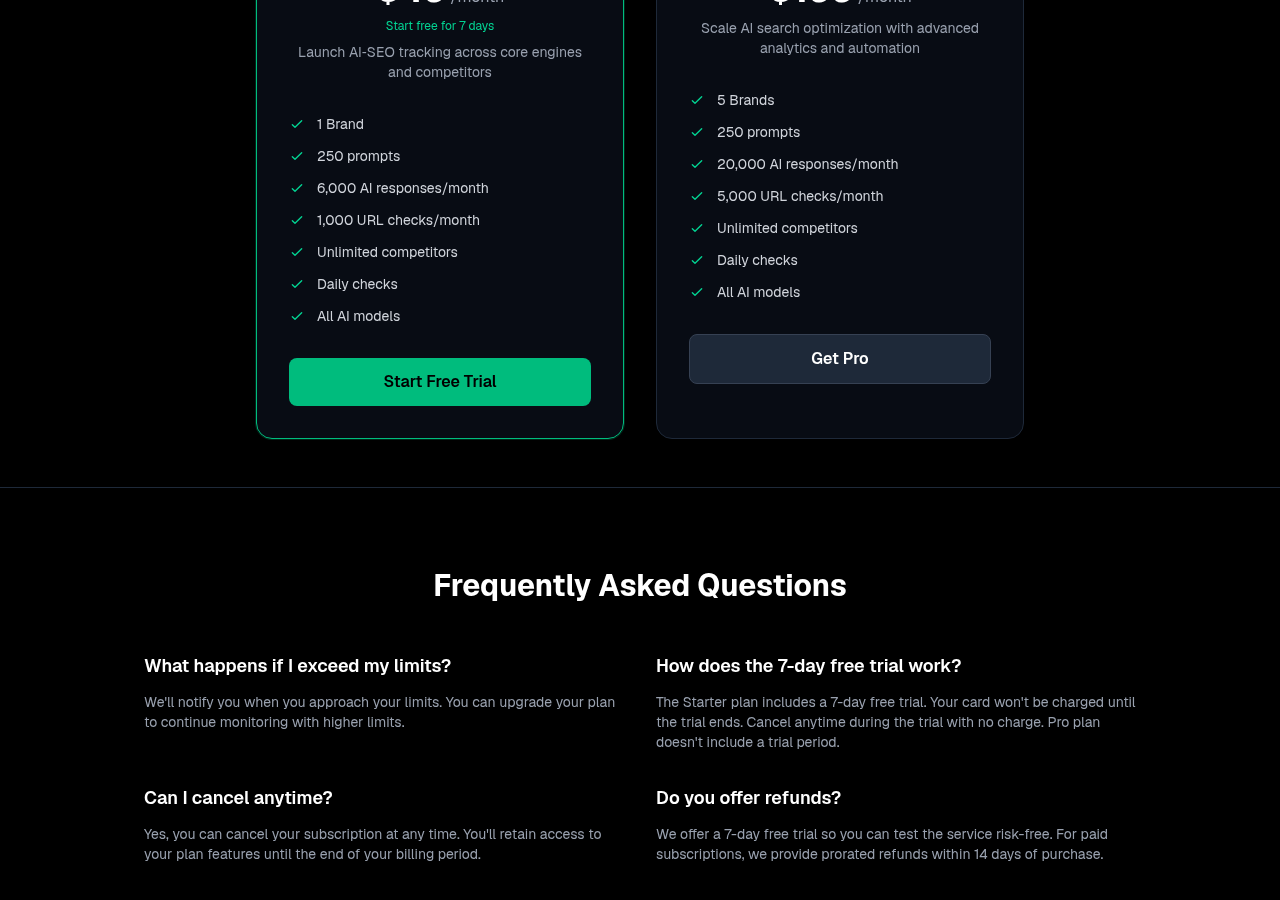
Key features include unlimited competitor tracking, AI-SEO visibility tracking across all major search engines, and daily monitoring of how brands are cited by AI models. The platform reports on share of voice, allows for an unlimited number of competitors in each report, and automatically checks brand citations daily. Users gain broad coverage of their AI search landscape, supporting detailed benchmarking.
Pricing
Riff Analytics pricing starts at $49 per month for the Starter tier, with the Pro plan at $199 per month. Both plans include a 7-day free trial. The Starter plan provides core tracking and monitoring, while Pro increases capacity and may unlock additional reporting features. All prices are billed monthly, and there are no listed enterprise-only lock-ins.
Pros and cons
- Daily AI engine checks — Visibility data updates every day for active monitoring.
- Unlimited competitor tracking — No cap on how many brands you benchmark in one report.
- All core AI models covered — Tracks citations across ChatGPT, Gemini, Perplexity, and more.
- No publishing or SEO tools — Doesn't write content, build links, or perform audits, so it must be paired with other platforms if those features are needed.
- Manual action required — Identifying visibility gaps is automated, but acting on those insights is up to the team.
Verdict
Riff Analytics excels as a dedicated AI search visibility tracker, but it's not a full-stack generative engine optimization suite. In-house SEO and brand teams looking for a pure monitoring layer with broad AI engine coverage and flexible benchmarking will find it useful, though they'll need separate tools for content production, on-page fixes, and outreach. Its focus on unlimited, up-to-date competitive tracking makes it a strong fit for teams prioritizing measurement and attribution.
Tip: Use Riff Analytics alongside a content automation platform to turn visibility insights into action, since Riff doesn't generate or publish content on its own.
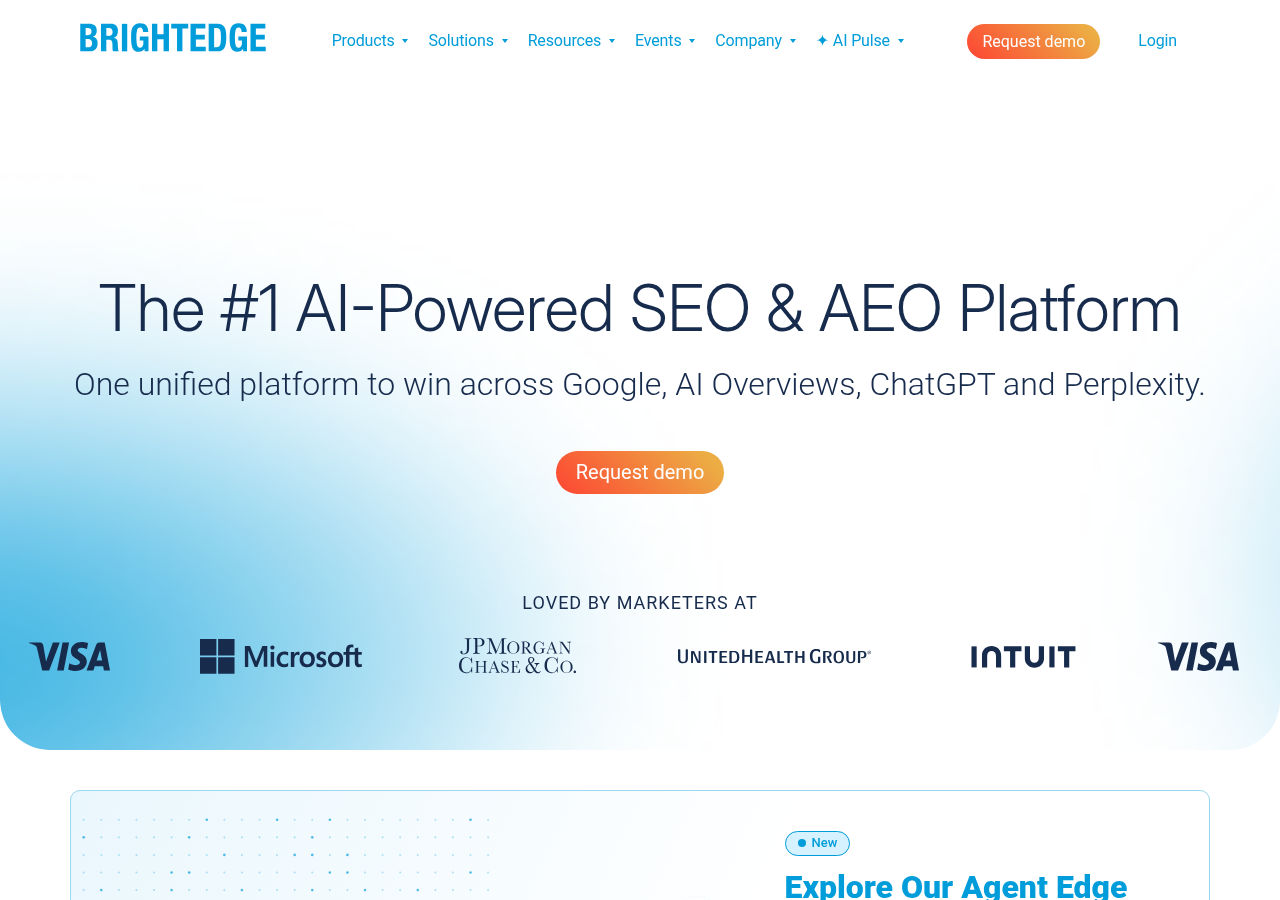
5. BrightEdge — Enterprise Content Performance
BrightEdge is an enterprise-focused platform providing content performance optimization and insights for large marketing teams. It aims to help organizations capitalize on organic visibility across both traditional and AI-driven search channels.
What it is
BrightEdge is a content performance marketing platform tailored for enterprise SEO management. It brings together data from search, social, backlink, and competitive insights to drive better organic visibility. The platform’s primary focus is on enabling teams to optimize and measure their organic presence at scale, using proprietary algorithms to surface high-impact opportunities.
Best for
BrightEdge is best for large organizations and enterprise marketing teams needing advanced content and SEO analytics. Companies managing multiple brands or global campaigns benefit most, especially when granular reporting and content impact measurement are a priority. Its suite supports collaboration among distributed teams with customizable dashboards.
Key features
Core features include cross-channel analytics, customizable dashboards, and prioritized recommendations. BrightEdge’s S3 platform tracks rankings, conversions, backlinks, competitors, and keyword opportunities across devices and locations. Highlights are:
Pricing
BrightEdge pricing is custom-quoted based on company size, usage, and needs. There is no published monthly or per-seat pricing available, and prospective customers need to contact BrightEdge for a tailored proposal. Plans typically reflect enterprise scale and complexity, which may put them out of reach for smaller teams.
Pros and cons
BrightEdge stands out for its enterprise reporting, but can be resource-intensive to deploy and operate.
Pros:
- Enterprise scalability — supports global campaigns and large data volumes
- Customizable analytics — dashboards and KPIs for different stakeholders
- Proprietary recommendations — actionable keyword and content insights
Verdict
BrightEdge delivers thorough enterprise-grade SEO and content analytics for organizations with complex needs. It’s most valuable for companies looking to link organic efforts with business outcomes at scale, but its sophisticated setup may suit only those with dedicated internal resources.
Warning: BrightEdge is rarely cost-effective for small businesses or teams without in-house SEO specialists due to its custom pricing and onboarding requirements.
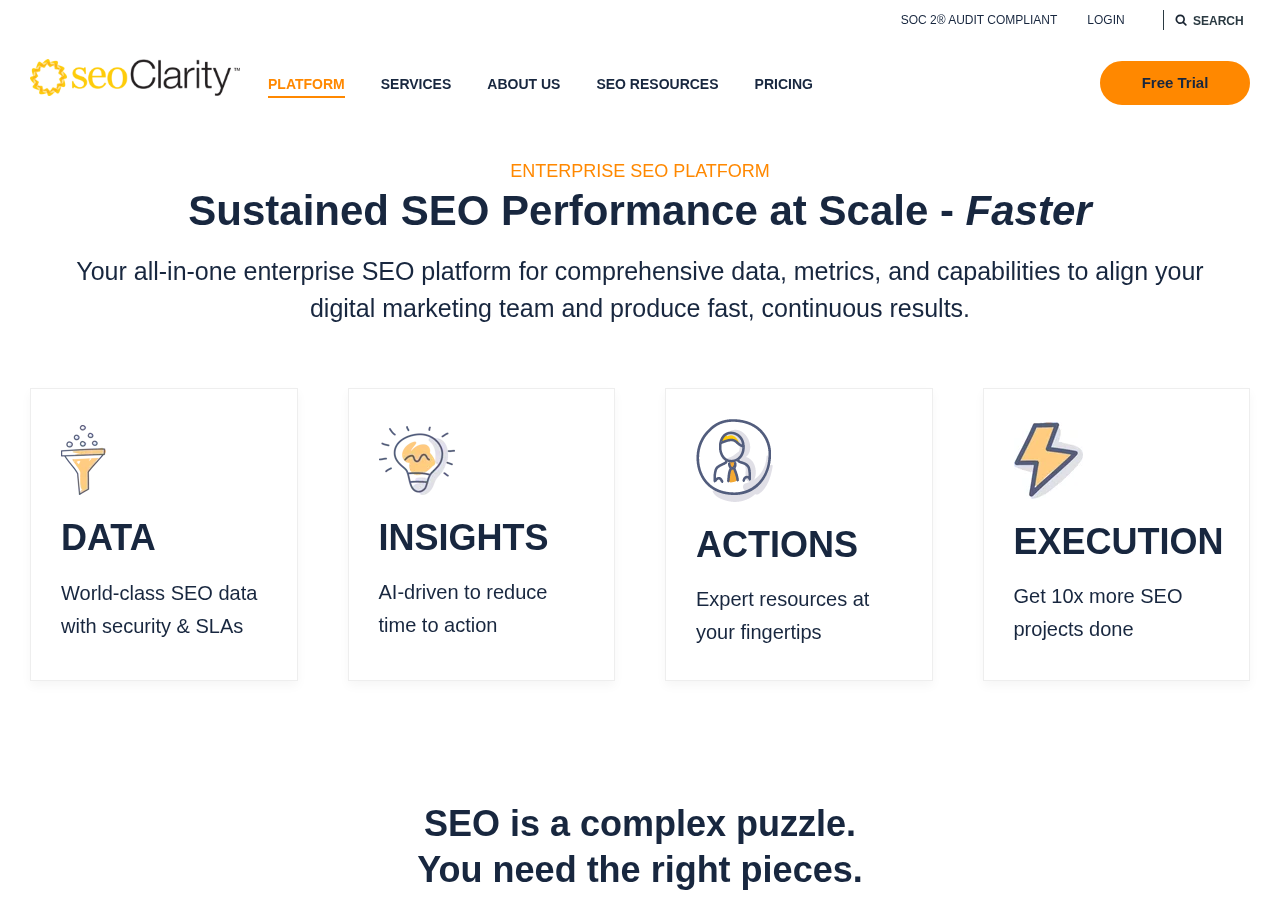
6. seoClarity — Advanced Entity & Rank Analysis
seoClarity is an enterprise SEO platform that specializes in granular rank analysis, content optimization, and technical SEO visibility for organizations managing large-scale digital properties. This section breaks down its core focus and how it fits among the top generative engine optimization platforms used today.
What it is
seoClarity is an enterprise-level SEO platform designed for advanced rank tracking, technical site audits, and entity-focused content analysis. Its suite centers around daily or weekly keyword ranking data, in-depth page and log file analysis, and AI-assisted content research.
Best for
seoClarity is best for in-house SEO teams and large enterprises with complex site structures and the need for high-volume, multi-country SEO management. It’s commonly chosen by organizations that demand highly customizable reporting, advanced data granularity, and integration with existing analytics workflows.
Key features
Key features of seoClarity include enterprise-grade rank tracking, advanced content analysis, and technical SEO auditing. Notable capabilities are:
Pricing
seoClarity pricing starts at £1,800/month (Research & Content) and $2,500/month (Research & Content) for self-serve plans, with higher tiers for technical and enterprise features. Plans scale by usage and features, with custom options for Essentials, Core, and Professional. Daily or weekly rank tracking, API exports, and full technical audits are included at select plan levels.
Pros and cons
Pros:
- Deep technical SEO tools — ideal for large sites and complex SEO needs
- Custom data exports/APIs — supports advanced analytics teams
- Granular ranking and site analysis — offers detailed insight at scale
Verdict
seoClarity stands out for technical depth and flexibility, but is best suited to enterprise organizations with mature SEO operations and significant budgets. It delivers thorough site and rank insights, advanced auditing, and API access, but lacks the end-to-end AI-driven content production seen in other generative engine optimization platforms.
Expert Insight: seoClarity’s value comes from its technical precision and customizability, making it a top pick for teams that already have strong in-house SEO workflows but want to scale their data-driven efforts.
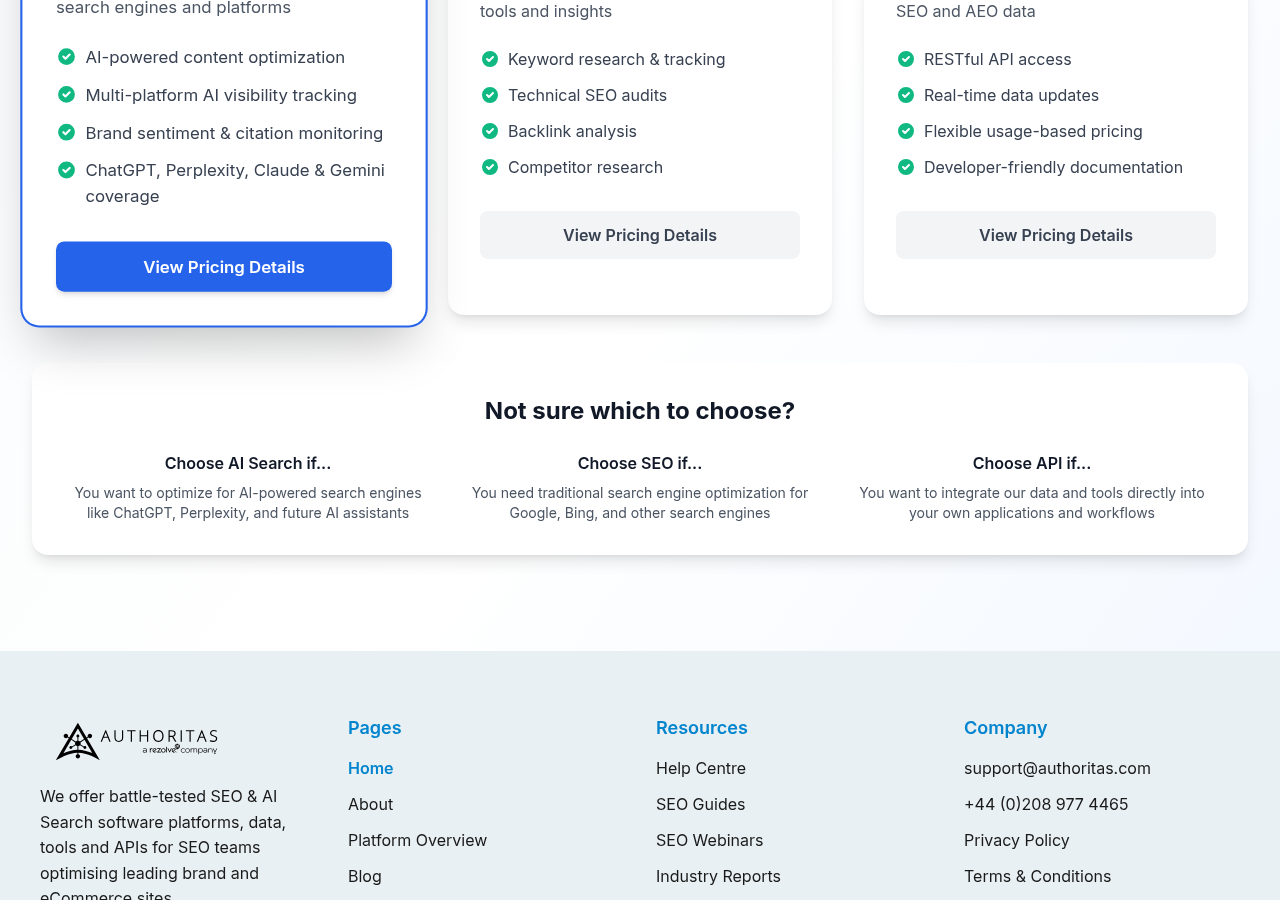
7. Authoritas — Multi-Platform AI Visibility Tracking
Authoritas stands out among the top generative engine optimization platforms used for AI search rankings by offering a multi-platform approach to tracking brand and content visibility. This section explores Authoritas's strengths and trade-offs for SEO teams focused on emerging AI search dynamics.
What it is
Authoritas is an SEO platform that focuses on tracking AI-driven search visibility and keyword intent across multiple channels. Unlike standard SEO tools, it assigns an intent score to each monitored keyword, showing how well content matches what AI search engines interpret as searcher goals.
Best for
Authoritas is best for advanced SEO teams and digital marketing agencies that need detailed intent analysis at scale. Its granular keyword and result breakdowns are particularly useful for:
- Agencies reporting on multiple domains
- Teams optimizing content for AI and traditional search
- Sites with broad or complex keyword footprints
Key features
Authoritas’s key features include:
Pricing
Authoritas offers plans starting with a free tier and scales up to enterprise pricing based on usage and query volume. As of 2026, verified options include:
- Free: £0 for limited queries
- AI Search P1: £89.00
- AI Search P2: £229.00
- AI Search P3: £379.00
- Enterprise: From £1129.00 and higher tiers
Pros and cons
Authoritas provides fine-grained AI search visibility analytics, but excels best with teams ready to invest in setup and customization.
Pros:
- Multi-platform tracking with user intent analysis
- Flexible API access for custom integrations
- Granular pricing segments for SMEs and large agencies
Verdict
Authoritas is a strong contender for teams that need multi-platform AI search visibility and sophisticated keyword intent scoring. Its flexible pricing and powerful API options make it fit for agencies or in-house groups with complex needs, but the absence of content creation and publishing automation means it pairs best with other executional tools if you want end-to-end optimization.
Expert Insight: Authoritas’s intent scoring helps teams uncover hidden gaps in AI search coverage that keyword ranking alone can miss.
8. WordLift — Structured Content for AI and SEO
WordLift is a platform that automates the creation of structured data and knowledge graphs to help optimize content for both AI and traditional search engines. It is positioned for brands looking to enhance their SEO strategy with semantic markup and AI-powered content automation.
What it is
WordLift is a content automation platform that combines Knowledge Graphs and AI to optimize website content for search engines and AI applications. It leverages advances in large language models (LLMs) to generate multilingual, entity-rich product descriptions and improve on-page SEO with semantic annotations.
Best for
WordLift is best for marketing teams and e-commerce brands seeking scalable, automated semantic SEO solutions. Businesses expanding into new international markets or dealing with large catalogs benefit most from its multilingual generation and knowledge graph capabilities. Agencies managing complex client portfolios may also find its time-saving automation features valuable.
Key features
Core features include Knowledge Graph creation, AI-powered content generation, multilingual output, and content audits. Teams use WordLift to automate schema markup, enrich web pages with structured data, and generate SEO-friendly product metadata at scale. The platform also offers an AI-powered agent for ongoing content research and optimizations.
Pricing
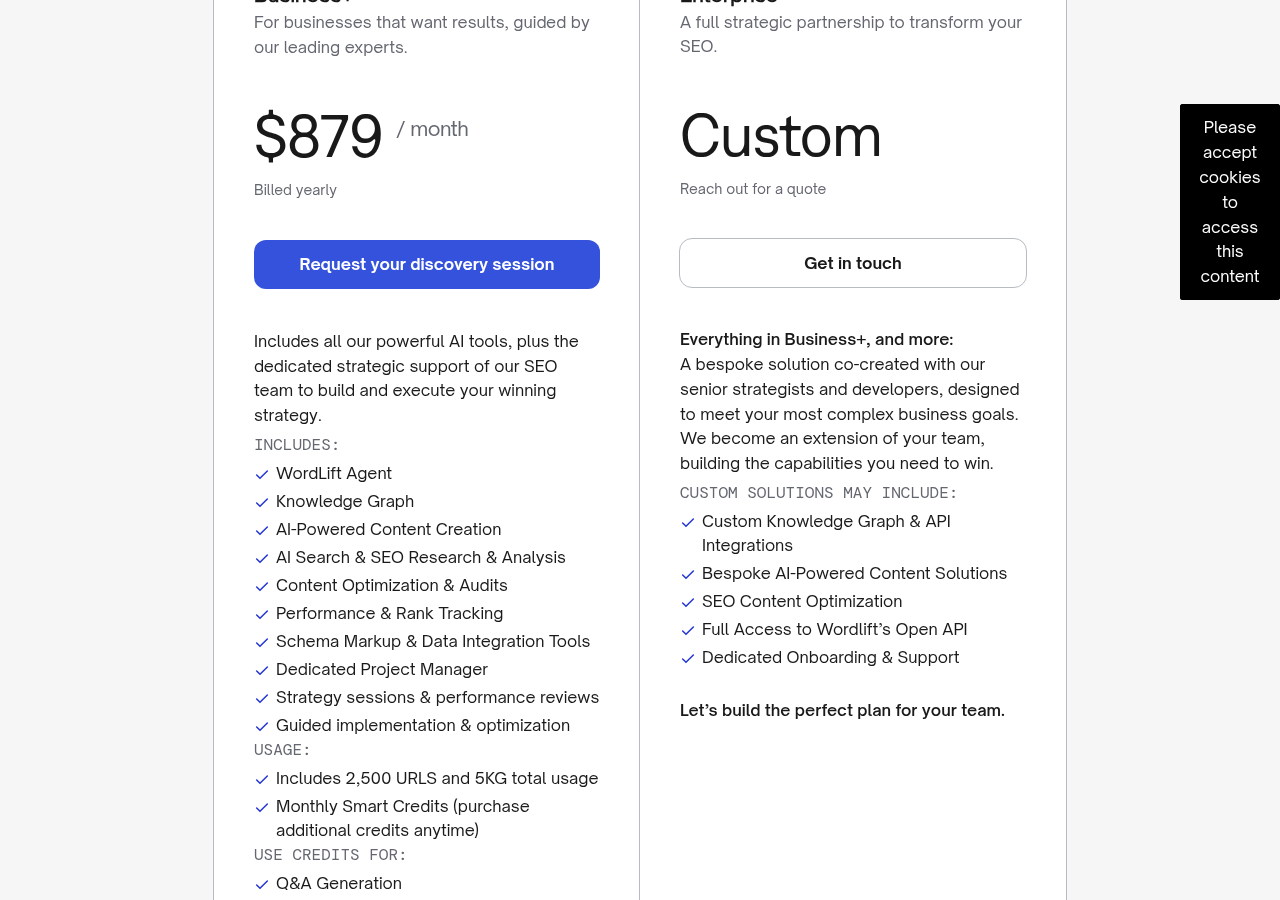
WordLift pricing starts at $1,100 per month for the Business+ plan, billed monthly, or $879 per month when billed yearly. An Enterprise plan is available with custom pricing. All plans include the core WordLift Agent and access to the main knowledge graph and content creation tools.
Pros and cons
Pros:
- Multilingual content — supports global e-commerce SEO
- Structured data automation — reduces manual technical SEO tasks
- Entity-based enrichment — improves content discoverability by AI
Verdict
WordLift stands out as a specialized choice for brands prioritizing structured data and semantic optimization in generative engine strategies. It addresses a unique need by making content understandable to both AI and traditional search, but its higher price and technical focus mean it's best for advanced or enterprise marketing teams.
Expert Insight: Automating structured data with WordLift may help brands appear more frequently in AI-generated answers, but planning for technical integration is crucial to see full benefits.
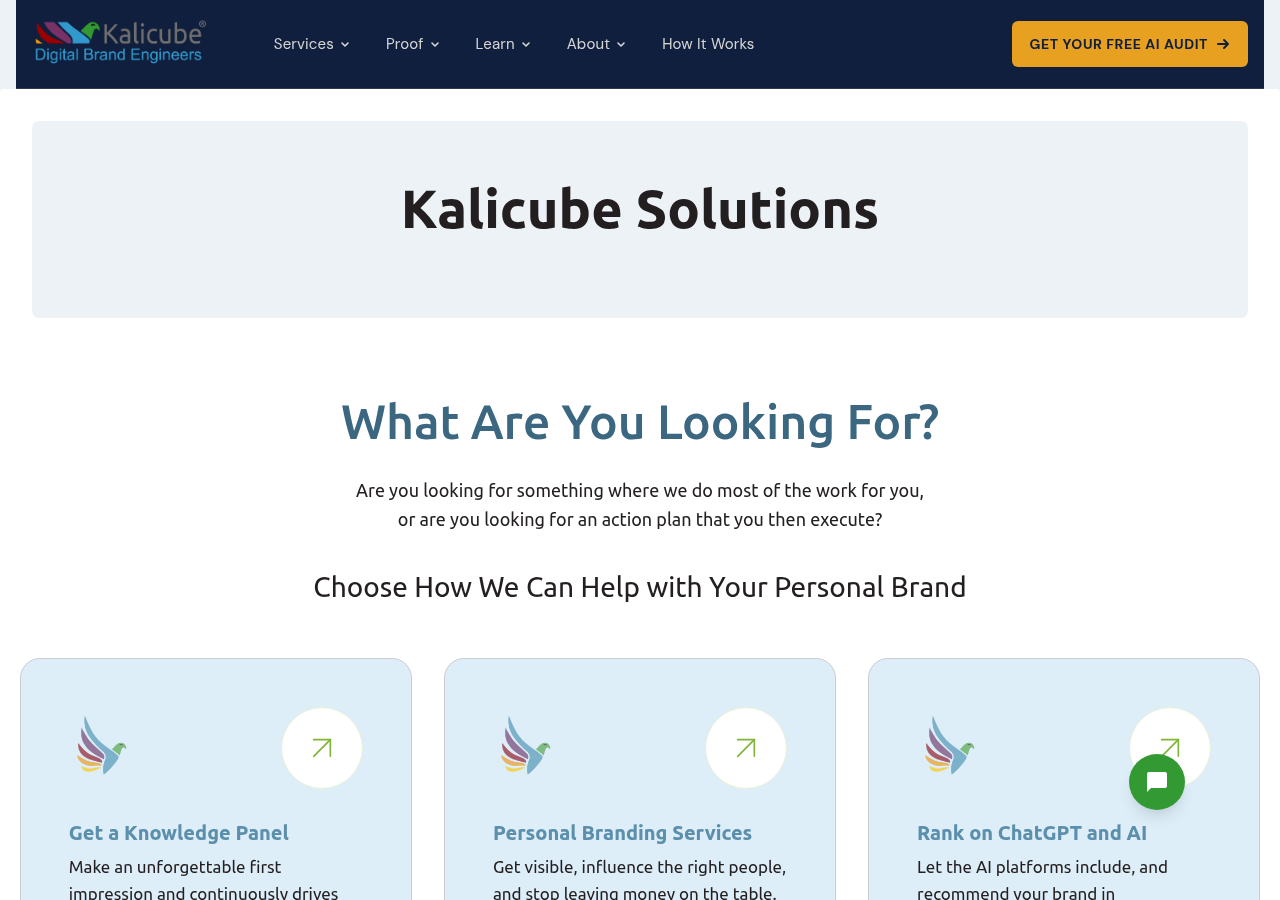
9. Kalicube Pro — Shaping Brand Knowledge Panels
Kalicube Pro takes a structured approach to brand presentation in both AI and traditional search. This section examines how the platform claims control over Knowledge Panels and influences AI assistants.
What it is
Kalicube Pro is a system for managing and optimizing a brand’s presence in AI knowledge graphs and search engine Knowledge Panels. It focuses on teaching major AI engines and search platforms to recognize, trust, and display authoritative information about brands.
Kalicube Pro emphasizes entity-based optimization, helping businesses ensure that their digital identity and narratives are consistent and well-structured.
Best for
Kalicube Pro best serves organizations aiming for maximum control over their online identity and Knowledge Panels. It’s particularly useful for:
Key features
Kalicube Pro offers a distinct toolkit focused on entity optimization and AI understanding. Core features include:
Pricing
Kalicube Pro’s pricing is structured in tiered packages, each with a one-time fee.
- Do It Yourself: $997
- White Glove Support: $1,497
- Elite White Glove: $2,997
Prices are verified from the Kalicube website. Some levels include personalized support from Kalicube’s own team of experts.
Pros and cons
Kalicube Pro stands out for brand safety and AI entity optimization but specializes beyond typical SEO platforms.
Pros:
- Unique focus on controlling Knowledge Panels and AI-driven profiles
- Direct support from experienced entity optimization specialists
- Effective for brands at risk of misinformation or inaccurate AI summaries
Verdict
Kalicube Pro fills a niche for brands looking to control exactly how they appear in AI and search results. For companies whose business depends on authority and clarity in Knowledge Panels or AI summaries, the investment can be justified.
Expert Insight: Kalicube Pro’s focus on entity control is ideal for managing misinformation, but it doesn’t replace full-scale SEO or content publishing platforms.
10. Profound — Enterprise-Grade AI Citation Analytics
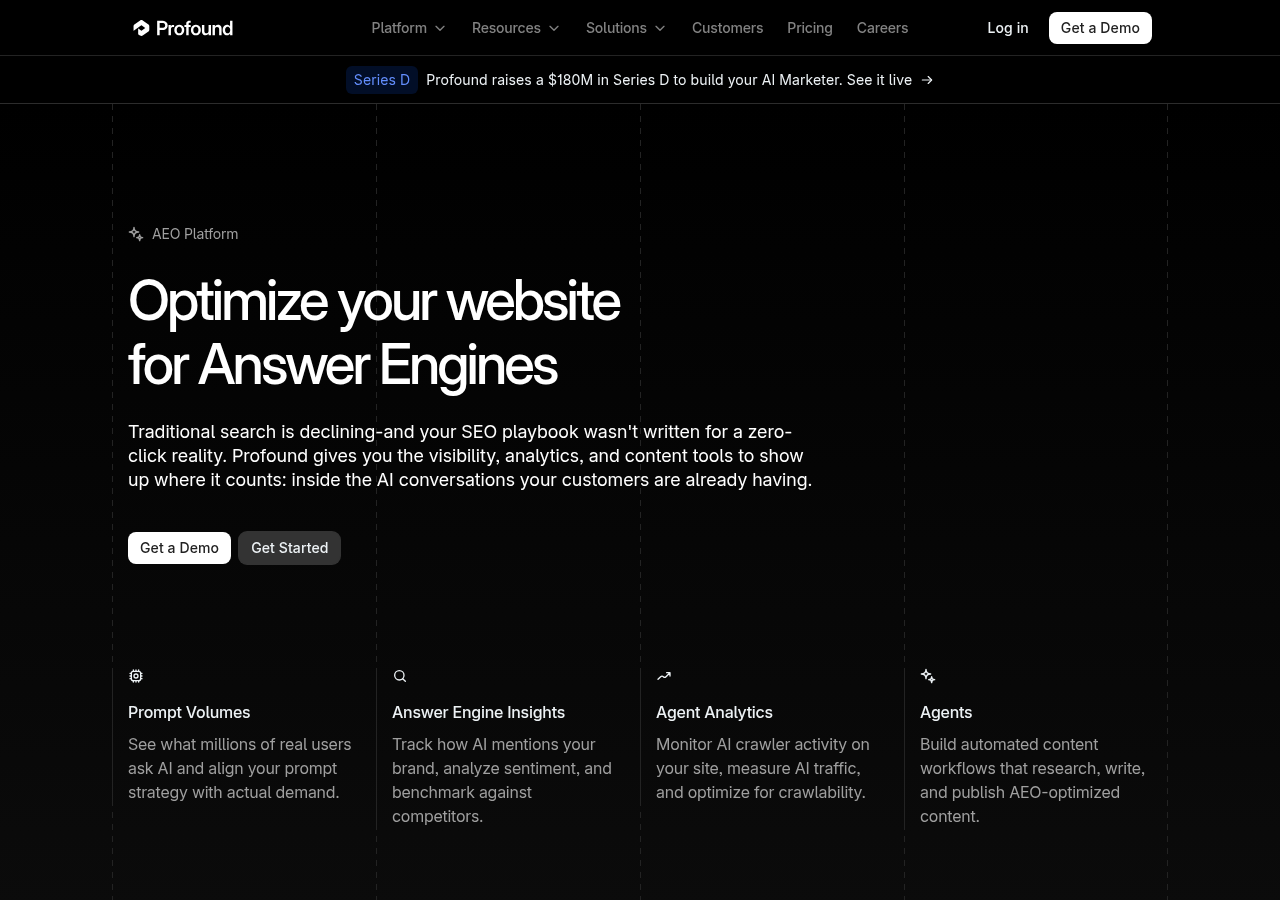
Profound targets enterprise SEO teams and marketing organizations serious about tracking and optimizing their brand's footprint across major AI search engines. Its platform focuses on deep analytics of brand mentions and citations within AI-generated responses, prioritizing control and accuracy.
What it is
Profound is an enterprise-focused AI visibility analytics platform specializing in monitoring and analyzing how brands and content are discovered, cited, and described by AI search engines. The tool enables teams to track share of voice, brand mentions, and prompt-level answer coverage across AI-powered search platforms using a rich dataset of real consumer queries.
Best for
Profound is best for large brands and enterprises needing granular analytics on their brand’s presence and reputation in AI-generated search results. Marketing strategists, enterprise SEO teams, and organizations governed by compliance and high security standards (SOC 2, SSO) benefit the most.
Key features
Profound’s key features revolve around deep AI search analytics and brand monitoring:
Pricing
Profound offers a tiered pricing structure starting with its Starter plan at $99/month (billed yearly), supporting ChatGPT-focused analytics only. The Growth plan, at $399/month (annual billing), expands coverage and features. For organizations with advanced needs, Enterprise plans are available via sales and require annual contracts. All plans can monitor per domain and emphasize compliance, but full answer engine and agent access is reserved for top tiers.
Pros and cons
- Pros:
- Enterprise-grade security — Suitable for regulated industries
- Detailed AI citation analytics — Goes beyond standard SEO tools
- Agent workflows for controlled content execution
- Custom reporting for share of voice and prompt analytics
- Cons:
- Focuses primarily on analytics — Limited content creation or publishing automation
- High entry cost and annual commitments for full features
- ChatGPT-only on lower plans; other engines require higher tiers
Verdict
Profound is the right fit for organizations needing deep, enterprise-level insight into AI search citations and brand coverage, but it isn’t designed for automated SEO execution or streamlined publishing. Teams focused on strategic analytics, compliance, and controlling their AI answer footprint will value Profound’s precise tools, though those seeking single-platform content automation may require additional solutions. Evaluate plan scope and engine access carefully to ensure it matches your brand’s needs.
Expert Insight: Profound’s strength is in granular, prompt-level reporting for large organizations, but brands needing automated SEO action or direct content publishing will need to pair it with other tools.
Frequently Asked Questions
What are the top generative engine optimization platforms used for AI search rankings?
Top generative engine optimization platforms combine AI-driven content creation, keyword research, and visibility tracking across multiple AI engines. SEOLadders stands out by automating SEO content planning, writing, publishing, and backlink outreach, while monitoring visibility on six AI search engines like ChatGPT and Claude. Its unified platform helps in-house SEO teams optimize for both traditional and AI search rankings efficiently.
How do GEO platforms improve AI citation visibility?
Generative Engine Optimization (GEO) platforms improve AI citation visibility by tracking where AI models like ChatGPT, Gemini, and Google AI mention your brand, highlighting competitors named instead of you, and identifying content gaps. Tools like SEOLadders automate the creation of AI-optimized content with citations, perform regular site audits, and support backlink outreach, helping brands rank higher and be cited consistently across AI-driven search engines.
Are GEO tools different from standard SEO platforms?
Yes, Generative Engine Optimization (GEO) tools differ from standard SEO platforms by focusing on optimizing content for AI-driven search engines in addition to traditional search ranking. They automate content creation, AI visibility tracking across multiple AI models, and publish directly to platforms like WordPress or via webhook, combining SEO and AI tactics. SEOLadders exemplifies this by offering AI search visibility, automated content writing, and publishing alongside traditional SEO audits and keyword research.
Which platform best suits in-house SEO teams?
SEOLadders best suits in-house SEO teams seeking an all-in-one, AI-powered platform that automates content planning, writing, publishing, and SEO audit tasks without needing extensive SEO resources. It offers integration with WordPress and other CMS, tracks visibility across six AI engines, and includes automated backlink outreach—all in a single $97/month plan, ideal for teams managing SEO alongside other duties.
Is AI coverage or automation more important for GEO?
Automation is more important for GEO because it streamlines multilingual content creation, publishing, and technical SEO fixes across multiple local sites. AI coverage matters but without automation, scaling and managing local SEO is inefficient. SEOLadders supports GEO by automating content generation, publishing across CMS platforms, and tracking AI visibility to ensure local rankings and citations.
Conclusion
Each platform featured here brings a unique mix of AI visibility tracking, content generation, and optimization for brands seeking to be cited in both traditional and generative search results. SEOLadders stands out by offering the only all-in-one toolkit that not only tracks your share of voice across six leading AI engines, but also automates research, content writing, site audits, and publishing—without the usual layers of manual effort or agency markups. Its single-plan structure and direct founder-led support make it especially friendly to busy teams and organizations without in-house SEO depth.
Other notable platforms include Clearscope, which focuses on content relevance through comprehensive keyword analysis and competitor insights; MarketMuse, known for its AI-powered content briefs and topic modeling to boost authority; Surfer SEO, providing detailed on-page optimization combined with content planning; Frase, offering AI-generated content and question research to improve user engagement; and BrightEdge, a robust enterprise solution integrating AI insights with traditional SEO metrics.
To start building your own AI search advantage:
- Shortlist the platforms here that match your content, integration, and automation needs
- Trial SEOLadders to see real-time AI visibility and automated publishing in action
- Audit your site with its weekly crawl and competitor tracking features
- Set your team up on the platform to track, publish, and optimize together
When you want sustainable growth on both traditional and generative search, the right platform will determine how fast you reach the results you want.
Ready to lead AI search results and automate SEO workflows? Explore how SEOLadders’ real-time AI visibility and content publishing features work for your brand by visiting the interactive AI visibility tour.
Want this done for you? SEOLadders finds the topics, writes the articles, and gets you cited by AI and ranking on Google, on autopilot.
7-day free trial · Cancel anytime