

Table of Contents
What Is a Keyword Search Engine? Everything You Need to Know
Solo founders and new entrepreneurs often find themselves lost when it comes to attracting organic traffic. Deciphering how search engines discover and rank content—and why keywords matter—can feel like navigating a maze without a map.
This article demystifies exactly what a keyword search engine is, why it’s crucial for SEO, and how its core concepts work. You’ll discover how keyword search engines process your content, how they differ from semantic search, and see real-world tools in action. By the end, you’ll have a solid understanding to anchor an effective SEO strategy.
What Is a Keyword Search Engine? A Clear Definition
A keyword search engine is software that analyzes user queries to retrieve relevant information from a massive index of web content. By matching search terms, or keywords, to the documents it has cataloged, a keyword search engine serves as the primary tool for finding information online. Understanding how this process works is essential for both web users and SEO practitioners.
Defining Search Queries and Keywords
A search query is the phrase or combination of words a user submits to a search engine, while keywords are the individual terms within that query used by the engine to retrieve results. In practice, search engines scan for matches between these keywords and the content within their index.
For example:
- A query like “organic SEO tips” contains the keywords “organic,” “SEO,” and “tips.”
- The search engine looks for web pages containing these keywords, sometimes considering their proximity and usage context.
Based on typical use, defining effective keywords is central to appearing in relevant searches. SEO professionals often use specialized tools to research and prioritize keywords that have high search demand and align with their site's goals. For more guidance on optimizing queries and selecting the right terms, see the Keyword Research resource.
The Role of Indexing in Search Engines
Indexing is the process through which search engines organize and catalog web content so it can be quickly retrieved during a search. The engine’s crawler scans pages and adds key information—including keywords, headings, and metadata—to the index.
When a user enters a query, the search engine does not comb through the entire internet in real time. Instead, it references its index to find the most relevant pages for those keywords. In most real-world implementations, maintaining a well-structured index enables fast search results and supports the scanning of billions of documents efficiently.
Keeping content properly indexed is a foundational SEO task and is discussed in depth in technical health best practices for SEO.
Understanding Search Result Rankings
Search result rankings are determined by how well a web page’s content matches the search query’s keywords and other ranking factors. After retrieving potentially relevant documents from the index, the search engine uses algorithms to rank these results.
Factors influencing ranking can include:
- Keyword presence and frequency in the content
- Backlink quality and number
- On-page elements like meta tags and headings
- Technical site quality
From hands-on experience, monitoring changes in keyword rankings provides insight into how tweaks in content or site structure affect visibility. Search engines constantly fine-tune their algorithms, so staying updated on best practices, as covered in AI SEO tips, helps site owners maintain strong rankings.

Tip: Always use official keyword research tools and analytics to guide your SEO strategy—guesswork rarely leads to sustainable search visibility.
Why Keyword Search Engines Matter for SEO Professionals
Keyword search engines play a fundamental role for SEO professionals by connecting user queries to the most relevant web content. Understanding their benefits and practical applications helps specialists shape more effective strategies and measure SEO impact more precisely.
Key Benefits
Keyword search engines offer essential advantages for SEO work by enabling measurable, targeted visibility for websites. Because they index and retrieve content based on distinct keywords, SEO professionals can optimize pages to match search demand, drive organic traffic, and evaluate ranking positions using clear signals.
The main benefits include:
- Data-Driven Optimization: SEO professionals rely on keyword search engines to test, monitor, and refine campaign performance. Matching keywords to user queries allows for direct assessment of which terms bring traffic or conversions.
- Trackable Results: Keyword rankings offer a transparent way to measure progress, making it easier to report on growth and ROI.
- Scalable Strategy: Since content and site elements are indexed by keyword, teams can systematically scale their SEO efforts across many pages.
In practice, leveraging keyword data is routine for SEOs. For example, reviewing which topics generate impressions can inform ongoing content planning. The ability to track movement on specific keywords is crucial when implementing adjustments or launching new campaigns. For additional guidance on tactical approaches, the Proven SEO Best Practices To Rank Higher In 2026 guide covers foundational strategies aligned with how search engines index content.
Common Use Cases
Common use cases for keyword search engines in SEO include keyword research, content planning, and performance tracking. Keyword research tools help SEO professionals identify high-potential search terms, ensuring that efforts are directed toward queries with demand and achievable competition.
Typical use cases include:
- Keyword Research: Tools scan massive datasets to surface relevant keyword opportunities based on volume and competitiveness. See Keyword Research insights for more detail.
- On-Page Optimization: Content is structured around target keywords, improving a page’s relevance for user searches.
- SERP Monitoring: By tracking where pages rank for target keywords, SEOs can respond quickly to drops or capitalize on new trends.
Based on common implementation patterns, integrating keyword data into all aspects of SEO—from content ideation to link strategy—has proven to be efficient. Adjustments are often made in response to real-time keyword ranking changes, which highlights the importance of accurate search engine data. Many SEOs also use automated solutions, like Content Automation platforms, to scale keyword-targeted publishing effectively.
Tip: Regularly re-evaluate your keyword targeting as search trends and user intent evolve. Tools that monitor ranking and AI visibility can help adapt strategies for sustained organic growth.
Core Keyword Search Engine Concepts You Need to Know
Understanding core concepts behind keyword search engines is essential to grasp how online searches deliver accurate, relevant results. These foundational ideas explain how engines process information at scale, respond to queries, and keep results organized and current.
Search Algorithms: How Engines Decide Results
Search algorithms are programs that determine which web pages appear in response to a user's search query. These algorithms evaluate a variety of factors, such as keyword relevance, content freshness, page authority, and user intent.
When a keyword search engine receives a query, it uses these algorithms to rank results based on:
- The presence and frequency of keywords
- Link profiles and site authority
- Content recency and quality
- User engagement signals
In practice, search algorithm updates can significantly shift which content ranks highest, making algorithm understanding important for anyone managing website visibility. Many SEO practitioners monitor industry news for signs of algorithm changes, and regularly audit their site using tools like those found in Proven Seo Best Practices To Rank Higher In 2026 to maintain or improve rankings.
Keyword Indexing: Organizing Web Data
Keyword indexing is the process search engines use to store and catalog web content so results can be retrieved quickly. The index is a database where keywords found on websites are mapped to the corresponding pages, enabling efficient searches.
This process includes:
- Crawling web pages and extracting text content
- Identifying and storing keywords and their locations
- Updating the index as pages change
Based on common implementation patterns, maintaining an updated index can be a resource-intensive task, especially for large sites with frequent updates. Website owners benefit from regular scans and keyword audits — functions supported by platforms offering Content Automation and keyword tracking — to ensure their pages remain searchable and current in the index.
Search Query Processing: Matching Requests to Results
Search query processing is how search engines interpret user input and retrieve relevant results from the index. The system first analyzes the user’s keywords, applies filters or correction logic (such as handling misspellings), and then matches the query to indexed pages.
Typical query processing steps include:
- Parsing: Breaking the query into terms
- Normalization: Handling case sensitivity or stemming
- Matching: Locating indexed documents with keyword overlaps
- Ranking: Ordering results based on algorithmic relevance
In real-world scenarios, misaligned keywords or lack of optimization can cause a site to miss out on traffic. Regularly reviewing query performance and adapting keyword strategy, as highlighted in Keyword Research, is central to maintaining SEO success.
Tip: Keyword search engines rely on well-structured, up-to-date indexes—regular technical audits and content refreshes help maintain your site’s visibility in results.
How Keyword Search Engines Work: The Complete Process
A keyword search engine uses a precise series of technical steps to locate, store, and deliver relevant information from the web. Understanding this process helps clarify what happens from the moment a website is published to when a user receives search results for their query.
Step 1: Web Crawling and Data Collection
Web crawling is the process where keyword search engines systematically browse and download web content to build a searchable database. Specialized software called web crawlers or "bots" navigate the internet, following links and retrieving pages for future analysis.
During this stage, crawlers visit websites, read their content, and save copies of pages—collecting details such as text, metadata, URLs, and link structures. This data forms the foundation for every search engine’s index. In practice, many SEO professionals pay close attention to crawl accessibility and optimize their sitemaps or robots.txt files to guide how bots interact with their sites. If a site isn’t crawled, its content simply doesn’t appear in search results.
To learn more about technical aspects of ensuring your content gets found, visit the Technical Health feature overview.
Step 2: Indexing Content for Fast Retrieval
Indexing is the process where crawled data is structured and stored so that it can be quickly retrieved in response to search queries. The search engine creates a massive index—a database mapping keywords and phrases to their corresponding web pages.
When a page is analyzed, main text content, headers, metadata, and links are extracted and added to the index. Search engines also classify the page by topic, language, and relevance. In practice, SEO specialists recognize that the way content is written (use of headings, keyword placement, and semantic organization) affects not just whether a page is indexed, but how well it matches relevant keywords.
You can see practical examples of content automation and keyword mapping at work by reviewing Content Automation solutions.
Step 3: Query Analysis and Ranking Algorithms
Query analysis and ranking algorithms determine which indexed pages best answer a user’s search. When someone enters a search query, the engine interprets the intent and matches keywords to indexed content.
Ranking algorithms sort potential results based on hundreds of factors, such as keyword relevance, page authority, backlink profiles, and site reputation. In practice, website owners who track the changing priorities of ranking factors—such as through continuous keyword research and backlink analysis—often adapt their strategy for better visibility. Keyword Research and Backlinks features are widely used to refine a site’s position in search listings.
The order of search results is ultimately shaped by how well each page aligns with the analyzed query and the search engine's ranking signals.
Tip: Regularly reviewing your site's technical setup and keyword strategy can help ensure full coverage in search indexes and maintain strong rankings.
Keyword Search Engines vs Semantic Search: Key Differences
Understanding the difference between traditional keyword search engines and semantic search systems is crucial for anyone looking to optimize their web presence. This section explores how each approach matches queries to content and what that means for SEO efforts.
Traditional Keyword Matching vs Semantic Understanding
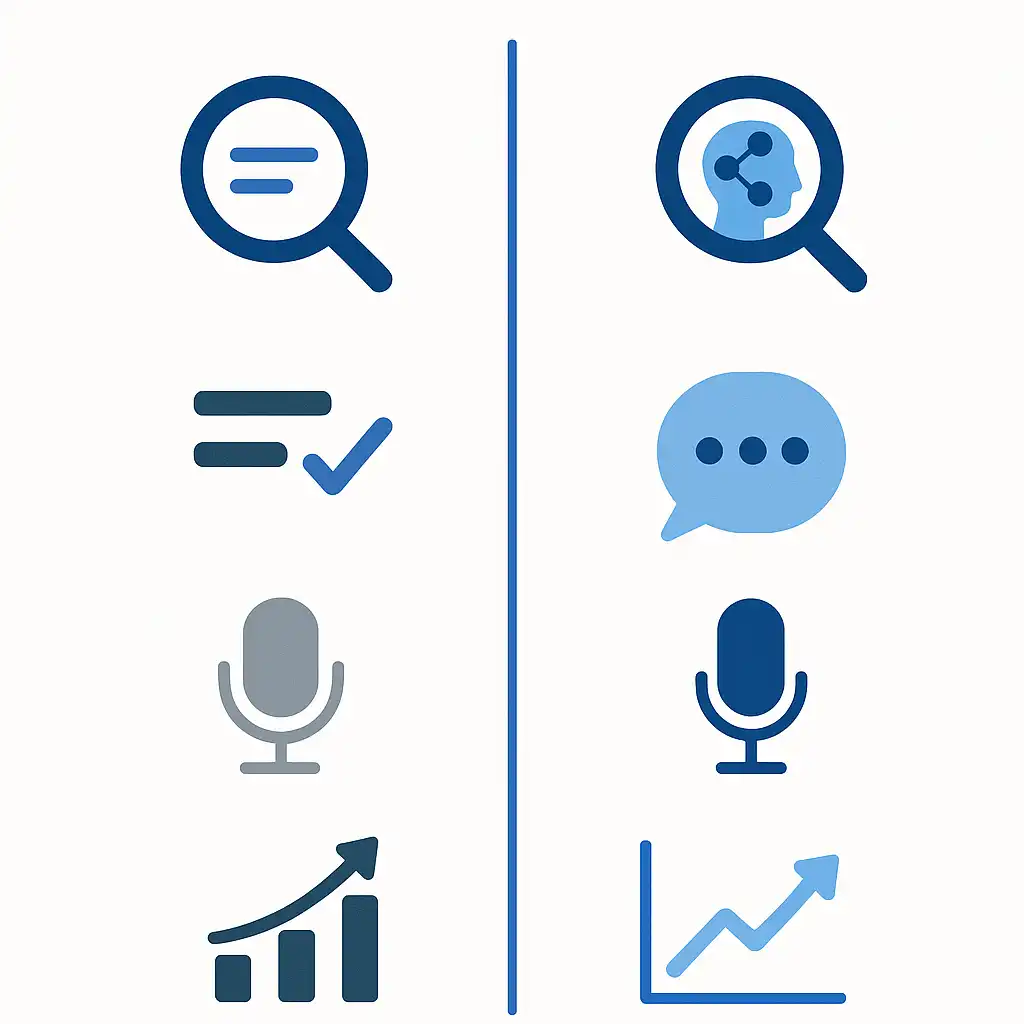
Traditional keyword search engines operate by matching the exact keywords used in a user’s query to indexed web content. Semantic search, in contrast, is the process of interpreting the contextual meaning behind search terms to deliver results based on intent and relevance rather than simple keyword matches.
A keyword search engine is designed to scan its index for pages containing the user’s specified keywords, ranking those pages by their keyword density and various other factors. Semantic search systems analyze the context of the query, synonyms, related concepts, and the relationships between entities to surface results that match the user’s underlying intent.
In practice, exact keyword matching can miss relevant content if the language differs—even slightly—from the search phrase. Semantic search addresses this gap by understanding intent, making it more effective for conversational or ambiguous queries. Many SEO experts use both approaches, balancing keyword-rich content with context-rich explanations. To see how a modern platform handles these differences, view Content Automation in action.
The Role of Natural Language Processing
Natural Language Processing (NLP) is a field of artificial intelligence that enables computers to interpret, understand, and generate human language. In keyword engines, NLP enhances query understanding but often plays a limited supporting role. In semantic search, NLP is core—it deciphers the nuance and context of queries and documents.
Modern search engines increasingly rely on NLP to analyze sentence structure, identify entities, and map relationships. This improves the quality of search results by connecting user queries with relevant content, even if the exact keywords are not present. Based on common implementation patterns, significant gains in result relevance become evident as NLP grows more sophisticated.
For those optimizing sites today, awareness of NLP's impact helps inform smarter keyword research and content formatting. Learn more about keyword research and how NLP factors in.
Impact on SEO Strategies
Semantic search reshapes SEO strategies by emphasizing content quality and intent alignment over pure keyword density. Traditional keyword optimization focuses on placing target phrases in titles, headers, and throughout content. With semantic systems, SEO practitioners must create content that satisfies a range of related questions and user intents.
A practical lesson: websites performing well in semantic search usually organize content around topics rather than just single keywords. This calls for:
- In-depth answers to key questions
- Use of synonyms and related terms
- Structured data to clarify meaning
Shifting to a semantic approach often requires updating strategy guides and regularly reviewing emerging SEO best practices. In firsthand experience, teams that adapt content to serve broader intents see improvements in organic visibility and engagement metrics.
Tip: Combining keyword-focused and semantic content approaches can improve ranking for both specific and broad user queries.
Real-World Keyword Search Engine Examples
Keyword search engines are at the core of digital discovery, powering how users find content, products, and research online. Each industry showcases unique implementations, highlighting the versatility and continued importance of keyword-driven technology.
Google’s Keyword-Driven Results
Google’s keyword search engine matches queries to indexed web pages based largely on detected keywords and query intent. When a user enters a phrase, Google analyzes the keywords, references its massive index, and delivers a ranked list of results considered most relevant to those terms.
Google continues to refine its algorithms to interpret nuances behind user keywords while still emphasizing keyword presence in page titles, headings, and body content. From ongoing SEO projects, it’s clear that optimizing webpages for primary and related keywords remains essential for organic visibility. Site owners regularly audit their targeting using keyword research and on-page optimization strategies.
In practice, search marketers might monitor how Google’s results shift for targeted keywords, learning from fluctuations to fine-tune their own content. Posts on the SEO Ladders blog frequently address practical steps for aligning with Google’s keyword-centric ranking signals.

E-commerce On-Site Search Engines
E-commerce keyword search engines help shoppers find products by matching typed keywords with product titles, descriptions, and attributes. These on-site engines are built specifically to deliver fast, relevant product matches from a retailer’s own catalog.
Keyword mapping is a central technique: site managers adjust search algorithms and product metadata to ensure common purchasing terms connect to the right listings. Based on day-to-day usage, merchants often analyze which queries drive sales and use this data to refine keywords or create new landing pages. Having well-structured content and consistent product tagging proves beneficial in improving match rates and conversion.
Tools including content automation workflows and keyword analytics are increasingly leveraged to continually optimize relevance in e-commerce site search.
Academic and Specialized Search Engines
Academic and specialized keyword search engines index scholarly journals, citations, and niche datasets so researchers can locate relevant documents using precise keywords. Platforms like research libraries and journal databases rely on robust metadata and full-text search for accuracy.
Structured search queries—often using Boolean operators—help users refine results. In hands-on research tasks, selecting keywords that match established subject headings or controlled vocabularies frequently yields better outcomes than broad queries.
Specialized search platforms may supplement basic keyword search with filters for author, date, or topic, supporting rigorous academic workflows. For anyone managing large datasets, adopting these keyword-focused methods offers a practical foundation before exploring advanced semantic search approaches.
Tip: Reviewing search query data can reveal new keyword opportunities—use this insight to expand both web and on-site search optimization efforts.
Frequently Asked Questions
How does a keyword search engine work?
A keyword search engine works by indexing web pages and matching a user's search query with keywords found in its database. It scans for relevant content containing the searched keywords and ranks results based on factors like keyword relevance, page authority, and user intent. This process helps users find the most pertinent information quickly.
What is keyword indexing and why is it important?
Keyword indexing is the process where search engines catalog keywords found on webpages to understand and rank them in search results. It's important because it helps search engines quickly retrieve relevant content for user queries, improving visibility and search accuracy for websites.
How are search results ranked in keyword search engines?
Search results in keyword search engines are ranked based on factors like relevance to the keyword, page authority, backlink quality, and user engagement metrics. Algorithms evaluate how well a page matches the query intent, its trustworthiness, and popularity to provide the most useful results. SEO practices aim to optimize these factors for higher rankings.
What is the difference between keyword and semantic search?
Keyword search matches exact words or phrases in queries, focusing on literal text. Semantic search understands the intent and contextual meaning behind queries to deliver more relevant results, even if keywords differ. While keyword search is straightforward, semantic search uses language understanding to interpret natural language and nuances.
Why should SEO professionals understand keyword search engines?
SEO professionals should understand keyword search engines because these tools reveal what users actively search for, helping them target relevant terms that improve website visibility. Knowing how keyword search engines work enables them to optimize content effectively, increase organic traffic, and stay competitive in search rankings. Mastery of keyword data guides strategic SEO planning and content creation.
free keyword search tool online
Several free keyword search tools online help generate keyword ideas and basic SEO metrics at no cost. Popular options include Google Keyword Planner, Ubersuggest, and AnswerThePublic, which provide actionable insights without needing a paid subscription. These tools are ideal for beginners and solo entrepreneurs starting SEO.
free keyword research tools for SEO free keyword tool
Several free keyword research tools help generate SEO keyword ideas and basic metrics without cost. Popular options include Google Keyword Planner, Ubersuggest, and AnswerThePublic. These tools provide search volumes, competition data, and keyword suggestions to help optimize content effectively, especially useful for beginners or budget-conscious marketers.
free keyword research tool
Free keyword research tools help you find keyword ideas, search volumes, competition levels, and long-tail variants without upfront cost. Popular options include Google Keyword Planner, Ubersuggest, and SEO Ladders' free trial, which offers AI-powered insights tailored for founders and solo entrepreneurs. These tools assist in strategic SEO planning by revealing relevant keywords to target for better organic ranking.
Conclusion
Mastering what a keyword search engine is gives SEO beginners and founders a strong foundation for smarter content strategies. To make these insights actionable:
- Audit your site for keyword relevance and coverage.
- Research keyword difficulty and intent before targeting new terms.
- Compare traditional keyword search with semantic search implications for your industry.
- Test keyword research tools to find realistic ranking opportunities for your site authority.
Ready to enhance your SEO by understanding the mechanics behind search? Explore SEO Ladders' guided keyword research and content automation solutions to optimize your site for search engines and drive real results. See our content automation in action.
Take the first step towards transforming your website's performance with actionable SEO insights. Enhance your website's SEO strategy today!
Start for Free