

Table of Contents
How Does SEO Work? Clear Answers With Real-World Examples
Struggling to attract organic traffic despite putting hours into your website? If you’re a founder or solo entrepreneur, the mystery behind rankings and the constant Google algorithm changes can feel overwhelming and frustrating.
This article breaks down exactly how SEO works, from clear definitions and essential concepts to step-by-step processes and real-world examples. By the end, you’ll know not only what SEO is but how to apply proven methods and avoid the confusion of competing website growth strategies.
What Is SEO? A Clear Definition
SEO, or search engine optimization, refers to the process of making websites better understood and more visible to search engines. At its core, SEO is about ensuring your content appears when users search for relevant topics—helping connect your site with people who want what you offer.
The Role of Search Engine Algorithms
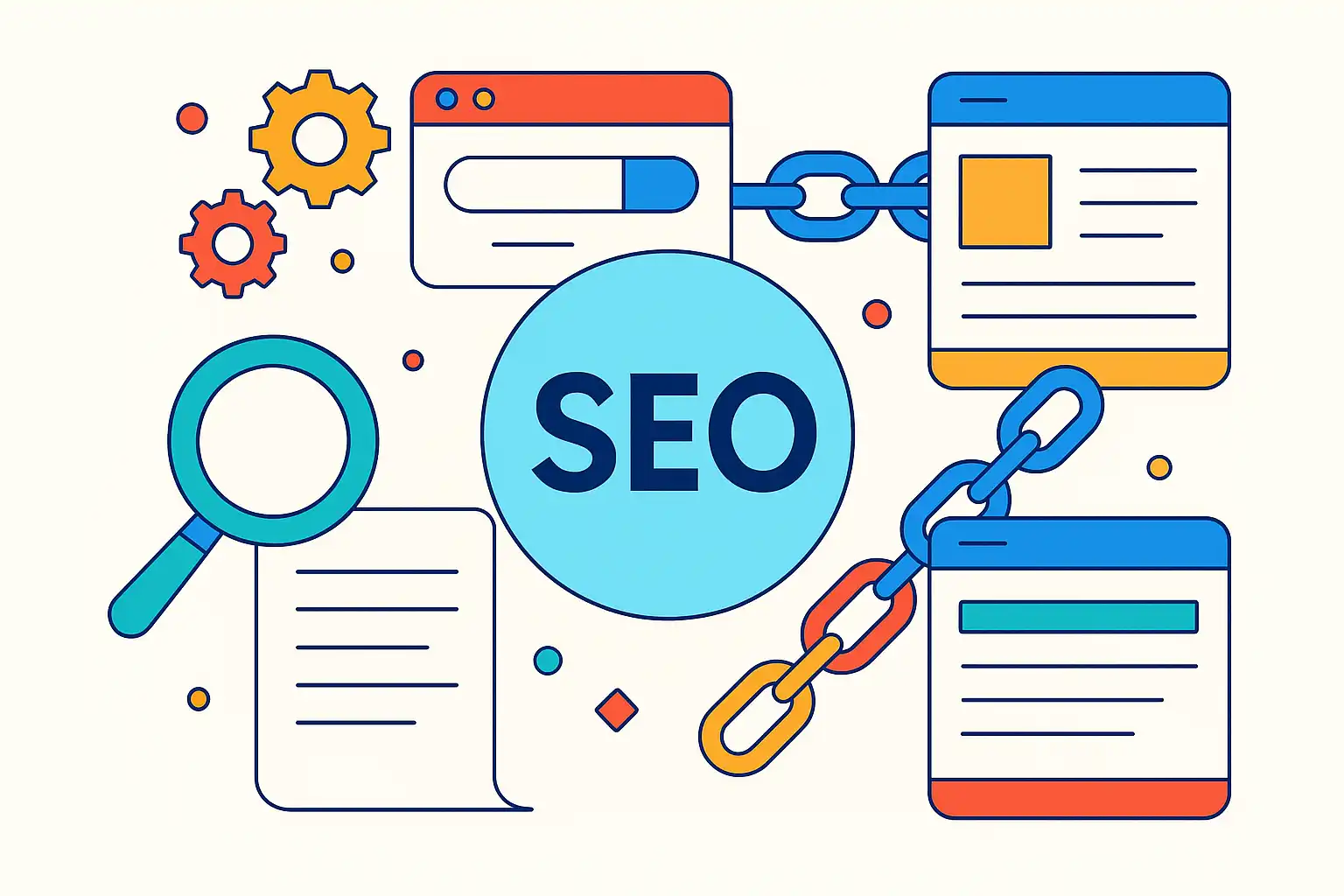
Search engine algorithms are sets of rules and calculations that determine the order of websites in search results. These algorithms analyze a wide range of signals, including content quality, structure, user engagement, and site trust. Their primary goal is to deliver the most relevant and useful pages for a user's query.
In practice, changes to algorithm priorities can cause dramatic shifts in search rankings. For example, sites that once ranked highly may see drops if their content no longer matches updated requirements. Keeping up with algorithm updates, such as improvements in understanding natural language or penalizing manipulative tactics, is crucial for any ongoing SEO strategy.
Most algorithm signals fall into a few categories:
- Content relevance and quality
- Website authority (measured by backlinks or endorsements)
- Technical site health (indexing and usability)
Tip: Algorithm details are not made public, so results rely on observing ranking trends and published search engine guidance.
Understanding Keywords and Content Relevance
Keywords are words or phrases users type into search engines, and content relevance means matching your site’s information with those search queries. Optimizing for relevant keywords is a foundational part of how SEO works. Before writing or updating pages, site owners research what terms their audience is searching for, then incorporate those terms naturally into titles, headings, and body content.
In practice, keyword targeting is most effective when content truly meets the searcher’s intent. For example, an article about “how does seo work” should answer that exact question, not just mention the phrase. Using synonyms and related topics (sometimes called semantic SEO) also helps indicate deep relevance for more complex queries.
- Primary keywords should appear in:
- Page titles
- Headings (H1, H2)
- Naturally throughout the text
Info: Relying solely on keyword frequency can backfire—modern algorithms reward useful, comprehensive content over repetitive keywords.
Backlinks and Website Authority
Backlinks are links from other sites to your pages, and website authority describes the perceived trustworthiness and credibility of your site in the eyes of search engines. Earning high-quality backlinks signals to algorithms that your content is valued by others, which can significantly impact your rankings.
Authority builds over time as more reputable websites reference your resources or share your articles. In practice, gaining natural backlinks is a slow process, often resulting from producing content others consider genuinely helpful or original. Not all backlinks carry the same weight; links from established, relevant sources are more valuable than those from unknown or unrelated sites.
- Factors influencing link quality include:
- Source site’s reputation
- Context and relevance of the linking page
- Diversity and number of unique referring domains
Info: Focusing on organic, earned backlinks rather than rapid link schemes helps avoid penalties from search engines.
Why SEO Matters for Website Owners
Understanding how SEO works sheds light on why it’s an essential investment for website owners. Effective SEO connects sites with people already searching for what they offer, fueling traffic and visibility without ongoing ad costs.
Key Benefits
The main benefits of SEO for website owners are increased visibility, targeted traffic, and long-term growth. Achieving higher rankings in search engines allows your pages to appear in front of people seeking relevant topics, products, or services. This organic visibility means your website can attract qualified visitors without paying for each click or impression.
SEO also helps build trust and credibility. Searchers tend to rely on pages that rank well, viewing them as authoritative sources. As your site gains authority, search engines reward it with better placement across more keywords. This cycle generates sustained website growth that persists even if marketing budgets fluctuate.
In practice, one of the clearest advantages is the predictability of compounding results. Sites that consistently invest in optimizing their content, technical health, and backlink profiles often see steady ranking gains over time. This differs from paid channels, where visibility typically disappears when campaigns stop.
Common Use Cases
SEO is applied by website owners in various scenarios to support both short-term goals and long-term aspirations. For new websites, SEO lays the groundwork for organic discovery, enabling startups, personal blogs, or local businesses to gain traction in search results. Owners of established sites use SEO to maintain and expand their reach, whether by targeting new topics, defending positions against competitors, or adapting to algorithm changes.
Based on common implementation patterns, typical use cases include:
- Launching informational blogs that depend on search traffic for readership
- Attracting leads or clients to a local service business through map listings and reviews
- Growing ecommerce sales by ranking product pages for high-intent keywords
- Reinforcing brand authority for consultancies or agencies in specific industries
For many, the ultimate goal is to create a diversified, sustainable traffic channel that makes customer acquisition less dependent on paid ads.
Info: Strong SEO strategies help insulate websites from sudden drops in traffic caused by ad budget cuts or platform changes, offering a more dependable path for ongoing audience growth.
Core SEO Concepts You Need to Know
A solid understanding of core SEO concepts is essential for anyone learning how SEO works. These foundational elements help search engines evaluate websites and connect users to relevant content. Below are three concepts every website owner should know.
On-Page SEO: Titles, Structure, and Content
On-Page SEO is the practice of optimizing individual pages to improve their visibility in search engine results. This involves editing page titles, organizing site structure with headings, and creating relevant, valuable content.
Key elements of on-page SEO include:
- Descriptive and unique title tags that summarize page content
- Organized headings (H1, H2, H3) for clear hierarchy
- Well-written, keyword-focused content that matches user queries
- Internal linking to provide context and navigation
In practice, refining on-page SEO means reviewing every page for relevance and clarity. For example, frequently updating blog posts to answer specific user questions can help maintain rankings and address evolving search trends.
Tip: Focus on search intent as well as keywords—users are more likely to engage with content that meets their immediate needs.
Technical SEO: Crawlability and Site Health
Technical SEO refers to optimizing a website's infrastructure to help search engines discover, crawl, and index its pages efficiently. Without good technical health, even the best content may remain invisible in search results.
Core aspects of technical SEO include:
- Ensuring every page is reachable through clean URLs and internal links
- Managing site speed and performance to keep load times low
- Using sitemaps and robots.txt to guide search engine bots
- Detecting and resolving crawl errors, broken links, or duplicate content
Based on common implementation patterns, regularly scanning a site for technical issues is key. Many site owners use automated tools to catch problems early, as overlooked errors can cause significant drops in visibility.
For an in-depth look at technical audits and health monitoring, see Technical Health.
User Experience and Search Intent
User experience (UX) and search intent are central to how search engines rank web pages. Search intent is the underlying goal a user has when entering a query, such as seeking information, making a purchase, or finding a specific site.
Improving UX and intent match involves:
- Designing pages for easy reading and navigation
- Answering users' questions directly and clearly
- Ensuring mobile friendliness and accessibility
In practice, reviewing analytics to observe user behavior—such as bounce rates or time on page—can highlight areas where content doesn't match what visitors expect. Making adjustments based on these insights usually improves engagement and ranking over time.
Info: Search engines regularly refine algorithms to prioritize sites that deliver relevant results and a positive experience.
How SEO Works: The Complete Process
SEO works through a continuous, layered process that helps websites become more visible in search results. Each stage—from keywords and content to technical site health and authority building—contributes to how search engines rank pages.
Step 1. Optimizing Keywords and Content
Optimizing keywords and content means aligning your website with what users actually search for and providing valuable, relevant information.
- Keyword optimization is the process of selecting terms that match your audience’s interests and intent.
- Content optimization involves structuring pages so that search engines understand their meaning and usefulness.
To do this effectively:
- Research Keywords: Identify phrases with the right mix of search volume and competition. Tools and data from sources like SEO Ladders' Keyword Research can guide this.
- Map Keywords to Pages: Assign target keywords to specific pages to avoid overlap.
- Craft Relevant Content: Make sure each page answers user needs better than competing pages.
In practice, most teams iterate on this step—refining keywords as they gather performance data and updating content to stay relevant.
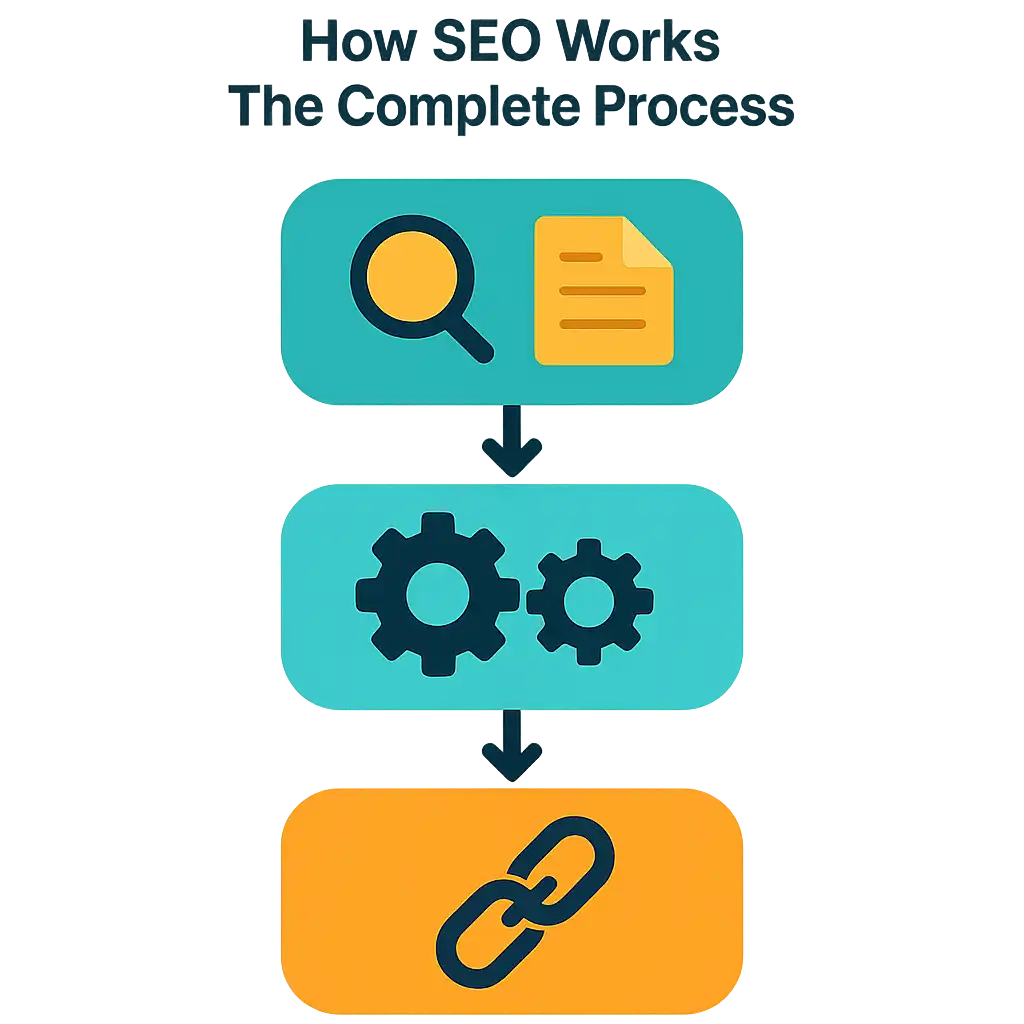
Step 2. Improving Technical SEO and Crawlability
Technical SEO is all about ensuring search engines can efficiently crawl and index your website.
Technical SEO and crawlability refer to optimizing the underlying structure so that search engines can access, understand, and rank your content.
Key tasks include:
- Fixing broken links and duplicate pages
- Optimizing site speed and mobile responsiveness
- Ensuring each page can be crawled and indexed (correct use of robots.txt and sitemap)
- Addressing Core Web Vitals performance
Based on common implementation patterns, technical issues are often discovered in audits and can require multiple rounds of troubleshooting. Relying on regular technical health scans—like those in Technical Health monitoring—can help prioritize and resolve issues efficiently.
Step 3. Building Backlinks and Authority
Backlinks and authority refer to the process of earning links from credible external websites, signaling trust to search engines.
Backlinks are a key factor in how search engines measure the trustworthiness and relevance of a site. The more high-quality sites that link to yours, the more likely search engines are to consider your site authoritative.
Core elements of an effective link-building approach:
- Outreach to industry-relevant sites or directories
- Earning mentions through guest content or collaborations
- Monitoring the health and profile of your existing backlinks (as supported by Backlink Tracking)
In practice, sustainable link-building often combines new outreach with ongoing relationship management. It’s common to see authority grow gradually as efforts compound over time.
Tip: SEO is most effective when these steps are revisited regularly—search habits, technical standards, and link landscapes all change, so periodic review is essential.
SEO vs Other Website Growth Strategies: Key Differences
Understanding how SEO operates alongside other website growth strategies gives you a clearer view of its advantages and limitations. Comparing SEO directly to paid search, social media marketing, and traditional advertising highlights vital differences that affect cost, sustainability, and visibility.
SEO vs Paid Search (PPC)
SEO and paid search (often called pay-per-click or PPC) drive website traffic through very different mechanisms. SEO is the process of optimizing your site so it appears in organic (unpaid) listings, while PPC places your website in sponsored ad spots on search engines for a fee each time someone clicks your ad.
Key differences include:
- Cost Structure: SEO investment focuses on content and technical improvements. PPC incurs ongoing costs per click or impression.
- Traffic Duration: SEO can produce traffic for months or years after publishing. PPC traffic stops when you pause campaigns or run out of budget.
- Trust and Perception: Users often view organic search results as more credible than ads, though both approaches put your site in front of searchers.
In practice, many businesses combine these strategies: using PPC for immediate visibility (such as product launches) and SEO for steady, long-term growth. Balancing the two often depends on available budget and how quickly you need results.
SEO vs Social Media Marketing
SEO and social media marketing differ in how they attract and engage audiences. SEO is the process of increasing a website’s visibility in search engines, whereas social media marketing relies on building a presence and gaining attention through platforms like Facebook, Twitter, or Instagram.
Comparing the two:
- Audience Intent: SEO visitors actively search for answers or solutions. Social media often creates awareness among passive scrollers.
- Longevity: Website content optimized for search can bring traffic for years. Social media posts typically generate engagement for only short periods.
- Data Ownership: SEO usually centers on traffic you own and control (your site). Social media platforms may limit reach or require payment for greater exposure.
Based on common implementation patterns, organizations seeking targeted, sustainable growth often prioritize SEO for key content pages while maintaining a lighter social media presence to support brand awareness.
SEO vs Traditional Advertising
SEO and traditional advertising provide website growth through very different channels. SEO is the technique of increasing a site’s organic rank in search engines, while traditional advertising encompasses tactics like print, radio, direct mail, or TV ads to promote awareness.
Major differences:
- Targeting Capability: SEO connects your content with users actively searching for related topics. Traditional ads often serve a broader, less targeted audience.
- Measurability: SEO performance can be directly tied to specific rankings and organic visits. Traditional advertising relies on estimated viewership or reader numbers, making ROI harder to quantify.
- Cost and Longevity: SEO investments build up long-term value. Traditional ads offer exposure only while the campaign runs, and can require significant upfront budgets.
In practice, businesses moving from broad, awareness-focused campaigns to online marketing generally find that SEO delivers more measurable, sustainable returns.
Info: Each growth strategy may play a role at different business stages. Reviewing your goals and how quickly you need traffic or leads can clarify whether to prioritize SEO, ads, or a hybrid approach.
Real-World SEO Examples
Understanding how SEO works becomes clearer when you see it in action. These real-world scenarios show practical outcomes achieved through specific SEO strategies, directly reflecting the core principles discussed earlier.
Blog Growth Through Content Optimization
Content optimization for blogs means publishing articles that target user intent and valuable keywords. Blogs can increase search visibility and readership by:
- Identifying low-competition keywords relevant to their niche
- Structuring posts for easy reading and SEO with headers, meta descriptions, and clear formatting
- Incorporating timely internal and external links
In practice, many bloggers see measurable traffic improvements after consistently updating old articles with fresh information, adding search-friendly headings, and aligning content with current user queries. Over time, these steps compound, helping blog posts rank higher and receive steady organic visits.
Based on common implementation patterns, successful content optimization usually involves auditing existing posts, updating for accuracy, and then monitoring performance to guide further improvements. Tools and workflows that automate keyword research and content health checks save significant manual effort for small teams.

Local Business Success With Backlink Building
Backlink building for local businesses is the process of earning links from reputable websites to increase site authority and search rankings. Local companies typically focus on links from:
- Area-specific directories
- Partner businesses in the region
- Local news features or event listings
By methodically reaching out to relevant sources, businesses can drive both direct referral traffic and improved positions in local search results. In practice, small firms often see ranking movement for high-intent searches (like "near me" queries) after achieving new links from locally-focused web properties.
Day-to-day, this looks like submitting listings to business directories, sponsoring local events (and receiving mentions online), and encouraging happy customers to write testimonials on partner websites. Consistency in outreach and tracking which links move the needle can make a notable difference over time.
Ecommerce Site Boost Via Technical SEO Fixes
Technical SEO fixes for ecommerce sites are essential steps that eliminate barriers preventing search engines from efficiently crawling and ranking product pages. Typical improvements include:
- Resolving broken links or duplicate pages
- Ensuring clean URL structures
- Optimizing site speed and mobile usability
- Adding descriptive meta tags and alternative text for images
In practice, many ecommerce sites observe higher organic traffic and conversion rates after addressing these technical blockers. Once issues are fixed, search engines index product pages more reliably, making the catalog discoverable by users.
From experience, a step-by-step technical audit—identifying and prioritizing errors—helps maintain long-term SEO health. Regular rescans reveal new issues quickly, supporting ongoing growth. Stores that adopt automatic monitoring are often faster to fix site health problems before they impact sales.
Info: SEO results, like improved rankings and organic visits, often compound over time rather than appearing immediately. Sustained, consistent effort is usually required to achieve lasting benefits.
Frequently Asked Questions
How does SEO help my website get more traffic?
SEO helps your website get more traffic by improving its visibility on search engines through keywords, quality content, and technical optimizations. This boosts your site's ranking, making it easier for users to find you. Effective SEO attracts targeted visitors interested in your offerings, increasing organic traffic without paid ads.
How long does it take to see SEO results?
You typically see SEO results within 3 to 6 months, but it can vary based on competition, website authority, and the effectiveness of your strategies. SEO is a gradual process involving content creation, link building, and technical optimizations, which all require time to impact search rankings. Patience and consistent effort are key to lasting improvements.
What are the most important factors for SEO?
The most important SEO factors are quality content, keyword optimization, backlinks, technical site health, and user experience like site speed and mobile-friendliness. These elements help search engines understand your site and rank it higher. Balancing all ensures better visibility and organic traffic growth.
Is SEO a one-time task or ongoing process?
SEO is an ongoing process, not a one-time task. It requires continual updates to content, keywords, backlinks, and technical aspects to keep up with evolving search engine algorithms and competitive landscapes. Regular monitoring and optimization help maintain and improve your website's search rankings over time.
Can I do SEO myself or should I hire someone?
You can definitely do SEO yourself, especially for small sites or startups, using tools and guides to learn basics like keyword research and on-page optimization. However, hiring an expert may speed up results and handle complex tasks like backlink strategies and technical audits. It depends on your budget, time, and SEO goals.
how to check which keyword has more traffic SEO keyword traffic tool how to check keyword traffic
To check which keyword has more traffic, use SEO tools that provide metrics like search volume and estimated traffic for keywords. Popular tools include Ahrefs, SEMrush, Moz, and SEO Ladders. These platforms let you compare keywords by how often they're searched and their competitive difficulty, helping you choose the best targets for your content.
Can I learn SEO myself? How to learn SEO by self-study?
Yes, you absolutely can learn SEO yourself! Many successful SEO pros and business owners are self-taught by using free and paid online resources. Focus on mastering key SEO concepts like keyword research, on-page optimization, backlinks, and technical SEO. Practice regularly and consider tools like SEO Ladders to guide and automate your learning and growth.
Are there free tools to check website ranking for SEO?
Yes, there are free website ranking checker tools that let you see your site's position on Google and other search engines for chosen keywords or overall performance. Popular free options include Google Search Console, Ubersuggest, and SERProbot. These tools help monitor SEO progress without cost, making them great for beginners or budget-conscious users.
Conclusion
Understanding how SEO works means knowing what actually makes your website visible—and valuable—to both search engines and your audience. To start seeing real progress:
- Review the core SEO concepts and definitions highlighted above
- Apply the outlined process to your own website, focusing on realistic keyword goals and quality content
- Compare SEO with other growth strategies to find the right balance for your business
- Study the included real-world examples to guide your next steps
Want even more actionable SEO tips and examples? Check out our complete guide on proven SEO best practices to rank higher in 2026 for strategies tailored to growing startups and solo founders.
Take the first step towards transforming your website's performance with actionable SEO insights. Enhance your website's SEO strategy today!
Start for Free