

Table of Contents
SEO: How Many Keywords Should You Target Per Page?
Solo founders and entrepreneurs diving into SEO often get stuck on a basic but critical question: how many keywords should you realistically target per page? Overfilling content with keywords can destroy rankings, but picking too few might leave valuable traffic untapped.
This article unpacks strategic keyword targeting, breaking down key concepts like ideal keyword count, primary vs. secondary keyword selection, and examples of SEO-friendly content structures. You'll learn the difference between healthy keyword targeting and spammy over-optimization, so you can confidently plan pages that climb the search results without risking penalties.
What Is the Ideal Number of Keywords in SEO?
Determining how many keywords to target per page is central to SEO effectiveness. The concept involves balancing focus with topical breadth to drive better rankings and user engagement. Here’s what you need to know about selecting primary, secondary, and variant keywords.
Primary Keyword Definition

Primary keyword is the main search term a page is built to rank for in search engines. It represents the core topic or intent you want to address. Most SEO practitioners recommend targeting just one primary keyword per page to keep the content clear and relevant.
In practice, selecting a strong primary keyword starts with careful research. The chosen term should capture your content’s main idea and align with what your audience is already searching. By focusing the page’s title, meta description, and headings around this term, you signal to search engines the exact topic you cover.
Based on common workflows, trying to optimize a single page for several unrelated primary keywords often weakens the focus and may make it harder to rank for any of them. Instead, most professionals choose one well-researched primary keyword per unique page or resource.
Secondary Keywords Explained
Secondary keywords are additional terms closely related to the primary keyword, typically addressing supporting topics or sub-questions users may have. These keywords help expand a page's reach without straying from its main focus.
A typical approach is to identify secondary keywords that share the same search intent or answer adjacent queries. Examples include synonyms, commonly asked questions, or variants with different modifiers (such as “how,” “best,” or “2026”).
In practice, weaving relevant secondary keywords into headings and naturally within the content can increase the likelihood of ranking for a broader set of related searches. This method avoids redundancy and enriches the overall value of the page by anticipating a wider range of user needs.
Understanding Keyword Variants
Keyword variants are alternate forms of a target keyword, including pluralizations, misspellings, or rephrased search queries. Incorporating variants helps match the way real users phrase their searches.
In most implementations, SEO content includes keyword variants naturally to maintain readability while covering multiple angles. This might mean using both “SEO strategies” and “strategy for SEO” in different sentences, or including regional spelling differences where relevant.
Experience shows that using keyword variants improves a page’s chances of surfacing for long-tail queries or voice search. However, it’s best to maintain organic flow and avoid forcing awkward repetitions, since search algorithms now recognize synonyms and related phrases contextually.
Info: Instead of aiming for a set number, the ideal approach is to select 1–3 primary or closely related keywords per page, then support them with a handful of secondary terms and natural variants. This strategy keeps relevance high and avoids keyword stuffing.
Why Strategic Keyword Selection Drives SEO Results
Strategic keyword selection is the foundation for SEO that works. Targeting the right set of keywords per page determines how effectively your content matches search intent and attracts qualified traffic.
Key Benefits
Strategic keyword selection is the process of deliberately choosing a focused group of target keywords for each web page to maximize relevance and ranking potential. Doing this, rather than guessing or using too many broad terms, sharpens your page’s message for both users and search engines.
This approach helps in several ways:
- Encourages natural content flow that matches what real searchers want to find
- Balances broad and specific terms to draw in a qualified audience
- Reduces the risk of keyword cannibalization, where multiple pages compete for the same terms
In practice, thoughtful keyword targeting has been much more effective for bringing in visitors who engage with the content and convert. When I've worked with content teams, we've seen clearer ranking improvements by narrowing initial keyword focus, then expanding naturally as the site grows. Strategic selection usually means one to three main phrases, supplemented by close variations or secondary concepts, to keep the content tightly aligned with intent.
Being intentional, rather than chasing every possible search phrase, streamlines optimization and simplifies reporting.
Common Use Cases
Strategic keyword selection has several common applications that address different SEO needs. Marketers typically apply this approach to:
- Blog articles aiming to cover specific questions or problems with focused long-tail keywords
- Product or service pages centered on core buyer terms to maximize conversion opportunities
- Resource guides that use a central theme but address secondary related queries for broader visibility
Based on common implementation patterns, one useful tactic is mapping primary and secondary keywords to content sections or headers. For example, an ecommerce site might focus a product page on "running shoes" as the primary keyword, then weave in related terms like "breathable sneakers" or "athletic footwear" through subtopics. This strikes a balance—content feels natural, search signals stay clear, and ranking for multiple variants becomes possible without over-stuffing.
Applying these strategies ensures that a single page can rank for its main target terms while also capturing relevant secondary searches, without overloading the page or losing clarity.
Not every keyword deserves its own page. Grouping closely related keywords under strategic themes keeps your content both competitive and user-friendly.
Core Keyword Targeting Concepts You Need to Know
Understanding how keyword targeting really works is critical for deciding how many keywords to focus on with each SEO page. By grasping the mechanics of research, competition, and on-page optimization, you can maximize relevance and ranking results without overcomplicating your strategy.
Keyword Research and Relevance
Keyword research is the process of identifying search terms your target audience uses and evaluating which ones align with your website’s goals. Relevance means choosing keywords that directly match your content, topic, and the needs of your readers.
In practice, effective keyword research involves more than just search volume checks. You need to consider:
- Topic alignment: Does the keyword truly fit your page’s subject?
- User intent: Will the searcher’s expectations be met by your content?
- Competitor coverage: Are other pages ranking with similar terms, and what makes their approach work?
Based on common implementation patterns, mapping keywords to user questions and structuring content around those needs helps ensure your selections aren’t just popular—they’re genuinely useful for your audience.
Keyword Difficulty and Search Volume
Keyword difficulty is a measure of how challenging it is to rank for a given keyword, while search volume refers to how often a keyword is queried in search engines each month.
When evaluating potential keywords, consider:
- Low difficulty terms are typically easier to rank for, especially for newer sites.
- High search volume indicates greater interest, but can also signal higher competition.
- A balanced keyword often falls between high relevance to your content, manageable difficulty, and enough search volume to deliver value.
In my experience, choosing keywords solely by search volume leads to disappointing results if difficulty is ignored. Focusing on realistic targets, based on your site’s current authority, tends to provide steady, attainable SEO growth.
On-Page SEO and Content Optimization
On-page SEO is the practice of optimizing webpage content and HTML elements to improve keyword targeting and search visibility. Content optimization means structuring, wording, and tagging your page for clarity, relevance, and accessibility.
To optimize content for target keywords:
- Use primary keywords strategically in titles, subheadings, and opening paragraphs.
- Blend in secondary terms naturally throughout the text.
- Enhance readability with short sections, bullet points, and clear structure.
In practice, it’s more effective to write with readers in mind first, then refine for SEO. Over-optimizing for too many keywords can dilute your message and reduce content quality.
Tip: Aim to use only keywords that make sense for your content naturally, rather than forcing many irrelevant terms—natural usage leads to better SEO results and a better reading experience.
How Keyword Targeting Works: The Full SEO Process
Understanding how keyword targeting works is crucial for structuring content that ranks. The process is more than picking words—it's a strategy involving research, organization, and careful content optimization.
1. Identify Primary and Secondary Keywords
Identifying primary and secondary keywords is the foundation of keyword targeting for SEO. Primary keywords are the main terms users search for, directly reflecting what a page offers. Secondary keywords are closely related phrases or variants that support and add depth to the topic.
In practice, the process starts by using keyword research tools to collect terms with strong search relevance and moderate competition. Attention goes to search volume and how well the keyword matches the intent behind the page. For instance, if someone searches "seo how many keywords," the focus stays on keywords addressing keyword quantity, alongside queries like "optimal number of keywords per page."
Based on common implementation patterns, most SEO practitioners maintain a concise list: usually one main keyword and several natural variations. This keeps content focused and avoids over-optimization, which can harm rankings.
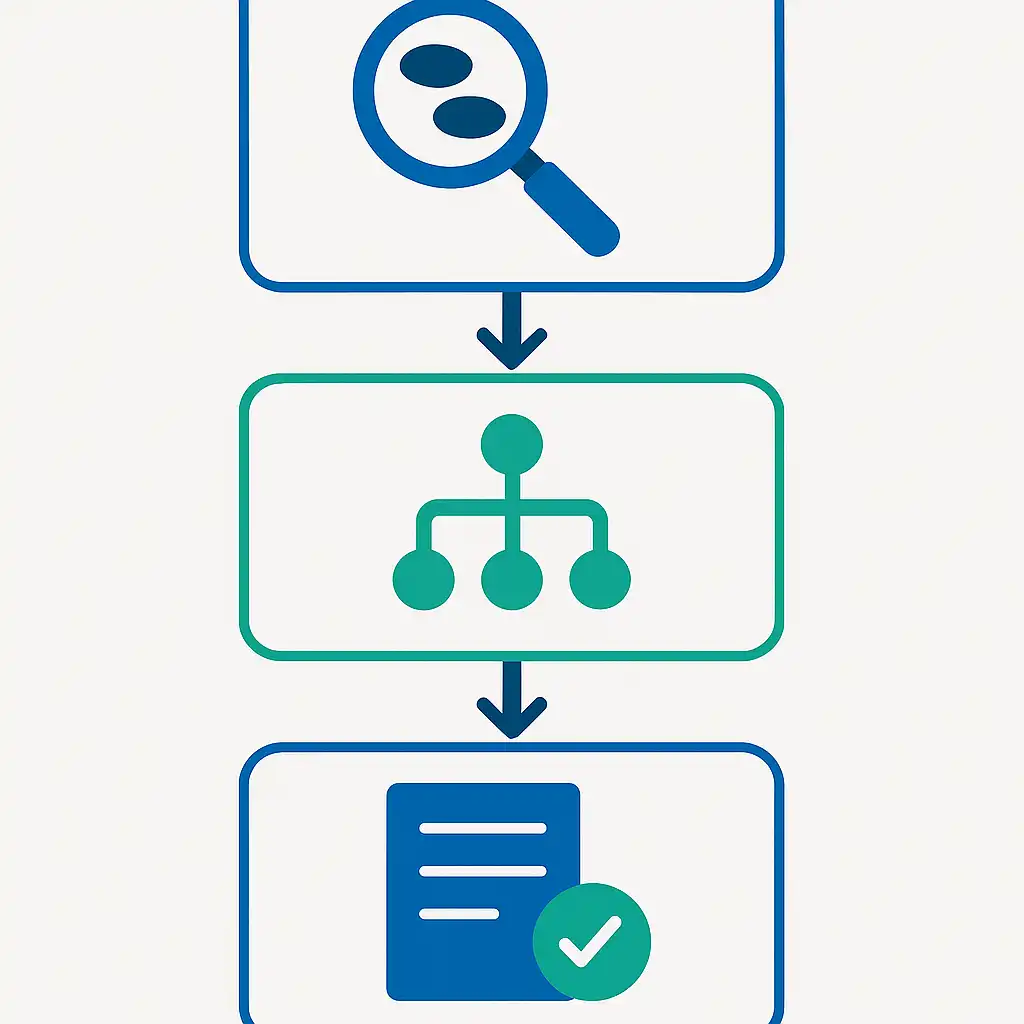
2. Group Keywords by Search Intent
Grouping keywords by search intent means organizing them based on why users search those terms. Search intent categories typically include informational, navigational, commercial, and transactional needs.
The next step is to cluster researched keywords by the type of answers or actions users expect. For example:
- Informational: "how many keywords for SEO"
- Commercial: "tools to track SEO keywords"
- Navigational: "SEO keyword research platforms"
In real projects, matching search intent is critical for relevance. From experience, when keywords are grouped by intent before writing, content stays on topic and better addresses what users want—thereby improving engagement and SEO outcomes.
3. Optimize Content for Chosen Keywords
Optimizing content for chosen keywords involves strategically placing those terms in key areas of a web page. On-page optimization typically targets the title tag, headings, body text, meta description, and image alt attributes.
A practical workflow looks like this:
- Review the keyword list before outlining content.
- Naturally incorporate the primary keyword into the title and first paragraph.
- Sprinkle secondary and related keywords throughout headings and supporting text.
- Check for keyword stuffing and adjust wording for flow and natural readability.
Based on hands-on experience, the strongest results come from prioritizing the main keyword while ensuring coverage for variants, all without sounding forced. This balance helps search engines understand the topic while maintaining a positive reader experience.
Tip: Consistently revisit your target keywords as search trends and competition change over time. Regular updates help maintain SEO effectiveness as algorithms evolve.
Keyword Targeting vs Keyword Stuffing: Essential Differences
Targeting the right number of keywords can help a page rank better, but using too many keywords may harm performance. Understanding the real difference between strategic keyword targeting and keyword stuffing is vital for effective SEO.
Definition and Comparison Table
Keyword targeting is the practice of selecting a small group of relevant terms that align with a page's intent and naturally incorporating them into content. Keyword stuffing is the excessive repetition or forced insertion of keywords in an attempt to manipulate rankings.
The differences between these approaches are clear when broken down:
| Approach | Description | Number of Keywords | SEO Impact | Risk Level |
|---|---|---|---|---|
| Focused Keyword Targeting | Choose 1–3 main keywords plus related terms, matching search intent. | 1–3 main, a few secondary | Positive – clearer topic focus, better ranking | Low |
| Keyword Stuffing | Add as many keywords or repeats as possible, often unnaturally. | 5+ main terms, excessive repeats | Negative – penalties, poor experience | High |
In practice, prioritizing focus over quantity results in content that flows better for readers and provides stronger signals to search engines.

Risks of Over-Optimizing
Over-optimizing content by keyword stuffing can trigger search engine penalties and damage user experience. When search engines detect unnatural keyword repetition, pages can lose visibility or be demoted in rankings. This risk is especially high for new sites or those with limited authority.
Content that is stuffed with keywords is often difficult to read, leading visitors to leave the page quickly. Based on common implementation patterns, excessive optimization can undo the benefits of relevant content—what looks like an SEO shortcut can actually reduce traffic over time. Search algorithms today prioritize natural language and value, not raw keyword count.
Benefits of Focused Keyword Targeting
Focused keyword targeting supports higher rankings and better reader engagement by aligning content with genuine search intent. Integrating 1–3 primary keywords, along with a few related terms, signals relevance to search engines without overwhelming the text.
- Ensures content stays clear and purposeful
- Supports stronger topical authority
- Reduces risk of penalties and improves trust
In practice, content that thoughtfully addresses a main topic tends to attract more relevant traffic and longer page visits. This approach not only meets user expectations but also results in more stable rankings compared to pages that try to cover every possible term.
Tip: Always review content from both a user and search engine perspective—quality matters more than keyword quantity for long-term SEO health.
Real-World Keyword Targeting Examples
Applying keyword targeting in practical scenarios reveals how businesses balance relevance and reach. The examples below illustrate proven approaches for SaaS landing pages, blog content strategies, and ecommerce product pages—each tailored around the core question of how many keywords to focus on for effective SEO.
SaaS Landing Page Targeting
SaaS landing page keyword targeting involves selecting a focused set of 1–3 primary keywords, supported by a handful of related secondary terms. This method centers a page around its main offering—such as "project management software"—while seamlessly incorporating context-friendly alternatives like "team collaboration tool" and "task tracking app."
In practice, teams typically start by mapping out the core user problem their software solves, aligning each landing page with a singular primary keyword. They then sprinkle a few closely related search phrases throughout the page copy, headings, meta tags, and FAQs. The secondary keywords are only added when they logically fit the page's intent, not just for extra search visibility.
- Main keyword in H1 and introductory paragraph
- Secondary keywords in subheadings and bullet points
- Natural, intent-driven usage throughout benefits and feature lists
Based on common implementation patterns, SaaS pages that stay focused on a limited keyword set outperform pages that attempt to cover every possible variation. Trying to rank for too many terms at once tends to dilute authority and confuse both users and search engines.
Blog Post Topic Clustering
Blog post topic clustering is the process of grouping related keywords around a central theme to create content depth and improve SEO performance. Instead of optimizing for just one phrase, writers identify a primary keyword—for example, "content strategy"—then organize the post into sections that address secondary terms like "keyword research," "content pillars," and "long-tail SEO tactics."
The most effective topic clusters start with comprehensive keyword research followed by outlining subtopics as dedicated headings or FAQs on the page. This approach helps a single article address multiple search intents, often resulting in visibility for additional long-tail searches.
In practice, content creators will:
- Identify 1 main keyword as the anchor
- Select 3–6 secondary and related questions
- Address each subtopic naturally within the post structure
With this method, it's common to observe organic traffic growth across a wider keyword set, without creating separate pages for each slight variation.
Ecommerce Product Page Optimization
Ecommerce product page keyword optimization focuses on aligning content with a product’s core search term and 1–2 highly relevant variations. The goal is to attract buyers searching for a specific product (such as "wireless headphones") while also picking up related queries like "Bluetooth headphones" or "noise-cancelling earphones."
Experienced ecommerce managers typically integrate the main keyword in the product title, description, and metadata. Supporting terms are added where they fit the product’s specifications or highlight unique selling points, such as in bullet lists or features tables.
In practice, limiting the keywords to only those with the closest intent tends to drive more qualified traffic and improve the likelihood of conversion. Too broad a focus risks attracting visitors who are less interested in the exact item being sold.
Tip: Focusing each page around one main keyword and just a few supporting terms generally provides a strong SEO signal without overwhelming the content—leading to better rankings and a smoother user experience.
Frequently Asked Questions
How many keywords should I target per page?
You should target 1-3 primary keywords per page to keep content focused and relevant. This avoids keyword stuffing and improves SEO clarity. Supporting related keywords can help cover subtopics naturally while maintaining user intent and readability.
Can I rank for multiple keywords with one page?
Yes, one page can rank for multiple keywords if those keywords are closely related and the content addresses them effectively. Optimizing a single page around a primary topic with relevant secondary keywords helps search engines understand its relevance to different but related search queries. This approach improves visibility without diluting focus.
What happens if I use too many keywords?
Using too many keywords leads to keyword stuffing, which harms SEO rankings and user experience. Search engines may penalize your site for appearing spammy or manipulative. Focus on a few relevant, well-placed keywords for effective SEO that reads naturally and provides value to visitors.
How do I choose the best keywords for my page?
Choose the best keywords by focusing on those with relevant search intent, manageable keyword difficulty, and sufficient search volume. Consider your site's authority and pick keywords you can realistically rank for. Use tools to analyze competitors, group keywords by theme, and align them with your page content for best results.
Is keyword density still important for SEO?
Keyword density is no longer a critical SEO factor on its own. Modern search engines focus more on the overall content quality, relevance, and user intent rather than exact keyword frequency. While keywords should naturally appear in your content, overusing them can harm rankings due to keyword stuffing. Focus on creating valuable, well-structured content that includes keywords strategically and contextually.
How to check which keyword has more traffic and how to use an SEO keyword traffic tool to check keyword traffic?
To check which keyword has more traffic, use an SEO keyword traffic tool to compare metrics like search volume and estimated visits. Popular tools such as SEMrush, Ahrefs, and SEO Ladders show which keywords get searched more often and drive more traffic. These tools provide data on keyword difficulty, trends, and competition to help you choose effective keywords.
What are some free keyword research tools for SEO?
Several free keyword research tools help generate keyword ideas and basic SEO metrics at no cost. Popular options include Google Keyword Planner, Ubersuggest, AnswerThePublic, and SEO Ladders' own free keyword research feature. These tools provide insights into search volume, keyword difficulty, and related queries to improve SEO strategy without a subscription.
How to check which keyword gets more traffic using keyword traffic analysis tools?
To check which keyword gets more traffic, compare their search volume and estimated traffic using keyword analysis tools like Google Keyword Planner, Ahrefs, or SEMrush. These tools provide metrics showing how often keywords are searched and how much traffic they potentially bring to your site.
Conclusion
Finding the right balance in keyword targeting makes all the difference in SEO success without triggering search engine penalties.
- Pick one primary keyword and a handful of closely related secondary keywords per page
- Prioritize relevance and search intent over quantity—avoid stuffing
- Map target keywords to unique pages in your site structure
- Track performance and refine your strategy based on real search data
Ready to refine your keyword strategy and unlock smarter organic growth? Explore the AI-powered keyword research tools at SEO Ladders and start building targeted content that ranks.
Take the first step towards transforming your website's performance with actionable SEO insights. Enhance your website's SEO strategy today!
Start for Free