

Table of Contents
How to Improve SEO Rankings: Actionable Steps for Success
Solo founders and entrepreneurs often feel stuck when their websites just aren’t showing up on Google. You’ve poured time and effort into your content, but rankings remain stagnant, and the overwhelming complexity of SEO advice out there doesn’t make taking the next steps any easier.
This article breaks down exactly how to improve SEO rankings using a series of practical, step-by-step actions you can start today. You’ll learn which factors matter most, how to upgrade your content, earn credible backlinks, address technical issues, and spot the tactics that actually make a measurable difference. Plus, you’ll see real examples of strategies that have delivered real-world results.
Foundations: What Impacts SEO Rankings Most?
Understanding what influences how to improve SEO rankings starts with the basics of how search engines work. The foundation includes the main factors search engines consider, key terminology, and an overview of how algorithms weigh different signals.
Key Factors Search Engines Use
Search engines use a combination of content relevance, technical quality, and authority signals to rank web pages. These elements help determine which pages should appear for a user's query.
- Content relevance refers to how closely a page matches the user's search intent and keywords. Search engines evaluate the actual language on your page, topic coverage, and alignment to what people are searching for.
- Authority signals include backlinks from reputable sites, domain longevity, and overall trustworthiness. Sites with more high-quality links are often seen as more credible.
- Technical quality addresses site speed, mobile-friendliness, and the absence of errors that could block crawlers or degrade user experience.
In practice, maximizing these three pillars is essential for sustainable improvements in SEO rankings. Many site owners find that even small technical issues or thin content can make a significant difference. Based on common implementation patterns, pages that combine well-structured content with a clean technical setup tend to outperform competitors relying on just one aspect.
Terminology: Ranking, Indexing, Crawling
Ranking, indexing, and crawling are three core processes used by search engines to organize and display content. Crawling describes the process by which search engines discover pages by following links around the web. Indexing is when the discovered page is analyzed and stored in the search engine's database. Ranking is the order in which results are presented based on relevance and quality.
In practice, not every page that is crawled gets indexed, and not every indexed page ranks well. Site owners sometimes notice new content isn't visible in search for days or weeks, often because of technical blocks or thin information. Ensuring that pages can be crawled (not blocked by robots.txt), are indexable (with correct meta tags), and are substantially valuable to users improves the likelihood of earning rankings.
How Search Algorithms Decide Rankings
Search algorithms decide rankings by evaluating hundreds of signals to determine which page best answers a user's query. The most heavily weighted factors generally include content quality, keyword relevance, backlink profile, and user experience signals like engagement or loading speed.
In practice, algorithm updates can change which signals matter most, causing some pages to rise or fall. Many practitioners observe that focusing on comprehensive, well-organized resources yields more consistent ranking improvements than targeting just keywords. Often, improvements are seen only after several factors are addressed at once, rather than tweaks in isolation.
- Content quality
- Page authority
- Technical accessibility
- User engagement
Info: "Algorithm changes are common. Staying updated and prioritizing fundamentals can reduce ranking volatility."
How to Optimize Your Content for Better Rankings
Content optimization directly affects how well your pages perform in search results. Focusing on targeted keywords, writing for user intent, and structuring your pages for both readers and search engines can make a measurable difference in your rankings.
Keyword Research: Finding High-Impact Terms
Keyword research is the process of identifying terms your audience searches for that have the potential to drive targeted traffic. High-impact keywords are those with suitable search volume, reasonable competition, and clear user intent. These terms align your content with what users are actually seeking by guiding both topic selection and on-page strategies.
To conduct effective keyword research:
- List Core Topics relevant to your business or site.
- Expand Each Topic by brainstorming related search queries and reviewing suggestions from keyword tools.
- Evaluate Keyword Difficulty to filter out terms that are too competitive relative to your site's authority.
- Prioritize Intent, focusing on keywords likely to convert or address user needs.
In practice, many find that targeting a diverse mix of low- to medium-competition keywords creates a stable foundation for growth. Tracking real ranking movements after publishing optimized pages helps refine future keyword selection.
- Focus on:
- Search volume trends
- Relevance to your audience
- Competitive analysis
Tip: Regularly revisit and update your keyword strategy, as trends and competition shift over time.
Writing Quality Content That Ranks
Quality content that ranks is content crafted to satisfy both users and search engines—it delivers value, is well-structured, and aligns with search intent. Satisfying a user's query in depth, using clear language and logical organization, signals to search engines that your page is a relevant result.
To write content that ranks:
- Begin with a strong introduction that defines what the page will provide.
- Use evidence, examples, and clear explanations to address the topic fully.
- Incorporate related terms (semantic keywords) naturally within the text for broader topic coverage.
Based on real project work, content that earns engagement and backlinks tends to use short paragraphs, clear headings, and avoids keyword stuffing. Maintaining the reader's interest while providing actionable details is key.
Tip: After publishing, monitor user metrics like time on page and bounce rate; high engagement is a positive signal for rankings.
On-Page Optimization: Meta Tags, Headings, Internal Links
On-page optimization refers to editing elements directly on your page—such as meta tags, headings, and internal links—to improve relevance and clarity for search engines. These elements help search engines understand your topic and reinforce the value of your content compared to competing pages.
Key steps for on-page optimization:
- Title Tag – Write a clear, keyword-focused title that reflects the page's main idea.
- Meta Description – Summarize the page with compelling, informative copy that encourages click-throughs.
- Headings (H1, H2, H3) – Organize content with descriptive headings for easier scanning.
- Internal Links – Link strategically to related pages, guiding users and helping distribute ranking signals.
In practice, careful organization with relevant internal linking and well-formatted headings makes a difference in crawlability and user experience. Regular content updates ensure that tags and links remain accurate as your site evolves.
Tip: Poorly structured pages are harder for search engines to index and may miss ranking opportunities even with strong content.
Building Authority: Backlinks and Trust Signals
Backlinks and trust signals are key drivers of higher search rankings. Search engines assess which sites to rank higher partly by evaluating who links to your pages and how trustworthy your website appears across the web.
Why Backlinks Matter for Rankings
Backlinks are external links pointing to your website, and search engines treat them as indicators of credibility and relevance. High-quality backlinks signal to Google and other search engines that your content is valued by others in your industry. As a result, acquiring strong backlinks is a widely recognized strategy for those learning how to improve SEO rankings.
In practice, websites with more authoritative links tend to outperform those with fewer or lower-quality links, even when the content quality is similar. The types of websites linking to you, their relevance to your topic, and how naturally those links appear can all influence the effect on your rankings. It’s not just about quantity—link authority and topical connection matter most.
According to industry resources, trust signals like backlinks, plus positive brand mentions, help build your domain's reputation and organic visibility (source).
How to Earn High-Quality Backlinks
Earning high-quality backlinks involves creating valuable content and strategic outreach to relevant websites. The process includes offering resources others find useful, sharing original research, and building relationships with influential sites.
Common methods for gaining backlinks include:
- Publishing in-depth guides or tools that others want to reference
- Reaching out to bloggers, news outlets, or industry authorities
- Guest posting on relevant, reputable sites
- Participating in niche communities or interviews
Based on common implementation patterns, most successful campaigns combine targeted outreach with ongoing effort to nurture connections in relevant circles. Consistency and relevance are usually more effective than one-off mass campaigns that focus on any available link.
Tip: Avoid tactics that promise massive backlinks instantly. Irrelevant or low-quality links can do more harm than good.
Tracking and Improving Your Backlink Profile
Tracking your backlink profile means monitoring which domains link to your site and evaluating their quality over time. This helps you spot growth opportunities, address toxic links, and compare your progress to competitors.
Steps to track and improve backlinks:
- Audit: Use backlink tracking tools to review your existing links by authority, type, and relevance.
- Compare: Analyze your profile against key competitors to find gaps.
- Disavow: Identify and disavow links from spammy or irrelevant sites if they appear.
- Outreach: Focus effort on gaps and lost links for new outreach campaigns.
In practice, periodic reviews help keep your website's link profile healthy and aligned with your growth strategy. For those seeking streamlined monitoring, platforms like Backlink Tracking centralize this process and highlight high-impact opportunities.
Info: Not all backlinks are equal—links from authoritative, relevant domains carry much more weight than generic directory links or unrelated sources.
Technical SEO: Making Your Site Search-Friendly
Technical SEO focuses on ensuring your website is accessible, fast, and easy for both users and search engines to navigate. These behind-the-scenes improvements help address many core issues that can limit how to improve SEO rankings.
Improving Site Speed & Mobile Friendliness
Site speed and mobile friendliness are essential technical SEO factors. Fast-loading websites offer better user experiences and typically retain visitors longer. Search engines also consider load time and mobile usability when ranking sites.
To improve site speed:
- Compress images and use next-gen formats (like WebP)
- Minimize JavaScript and CSS files
- Enable browser caching
Mobile friendliness means a site displays and functions well on smartphones and tablets. Responsive design adjusts layout to fit any screen size, which is now a baseline expectation for modern SEO. In practice, running a basic mobile usability test or checking your Core Web Vitals can highlight hidden issues. Simple fixes like adjusting tap targets and using flexible layouts often make a noticeable difference for users and rankings.
Webpages that load quickly and adapt smoothly to mobile screens are more likely to satisfy user intent, which positively affects search rankings.
Fixing Crawl Errors & Indexing Problems
Crawl errors occur when search engines can't access certain pages or encounter dead ends. Indexing problems mean these pages might be omitted from search results altogether. Fixing technical barriers helps search engines fully understand and catalog your content.
How to address crawl and indexing issues:
- Identify Issues: Use tools like Google Search Console to spot errors (such as 404s or blocked resources)
- Fix Broken Links: Redirect or repair missing or dead pages
- Optimize Robots.txt and Sitemaps: Ensure important pages aren’t being blocked or overlooked
Based on common implementation patterns, regular site audits make it easier to spot new errors quickly and resolve them before they affect rankings. Even experienced SEO pros find that unaddressed crawl issues can quietly hold back performance for months.
Keeping your site’s technical health in check ensures all your content can be found and ranked by search engines.
Optimizing Structure for User Experience
Optimizing site structure for user experience means organizing pages logically so users and search engines can navigate them easily. Clear, intuitive navigation and a logical hierarchy allow search engines to crawl deeper and help users find information faster.
Key structural elements to focus on:
- Use descriptive and consistent navigation labels
- Implement clear breadcrumb trails
- Create concise, relevant title and heading tags for each page
In practice, streamlining navigation menus and adopting a simple site hierarchy (for instance, keeping important content within a few clicks from the homepage) leads to more engaged visitors and improved crawlability. This approach often uncovers duplicate pages or confusing navigation paths that hinder both users and bots.
Expert Insight: After reworking their navigation to make key content more accessible, many sites see both user engagement and organic traffic improve within weeks, as clearer structure aids both humans and algorithms.
Step-by-Step Process: How to Improve SEO Rankings
Improving SEO rankings follows a clear, iterative process: assess what’s working, make targeted fixes, and execute ongoing efforts to build authority. Each of the following steps contributes directly to higher visibility and sustained organic growth.
1. Audit Your Website’s Current Performance
An SEO audit is a detailed assessment of your website’s health, structure, and ranking signals. The goal is to identify weaknesses that could be holding back visibility in search results.
To perform an effective audit, begin by checking:
- Indexing status (are all key pages being crawled?)
- Site errors like broken links or duplicate content
- Core Web Vitals and site loading speed
- On-page SEO elements such as meta tags and heading structures
In practice, running an audit with specialized tools or manual checks often reveals issues that aren’t immediately obvious to content teams. For example, non-indexed pages, slow-loading image files, and missing alt-tags can all slow ranking growth. By setting a baseline, you prioritize what to fix first and establish benchmarks to measure future improvements.
Tip: Schedule periodic SEO audits to catch regressions after new website updates or content additions.
2. Implement Core On-Page & Technical Fixes
Addressing on-page and technical issues is critical for improving SEO rankings. Core fixes involve correcting elements that directly influence how search engines interpret and rank your site.
Prioritize these steps:
- Optimize Meta Titles and Descriptions – Ensure every important page has a keyword-relevant, clear title and meta description.
- Fix Crawl Errors and Broken Links – Resolve 404 errors, redirect chains, and update or remove broken links.
- Improve Page Speed and Mobile Friendliness – Compress images, enable browser caching, and use responsive design.
- Add Schema Markup – Provide structured data to clarify your content for search engines.
Based on common implementation patterns, quick wins are often found with technical health checks: fixing broken internal links, optimizing image sizes, and ensuring quick mobile load times yield faster ranking changes than content edits alone.
Tip: Run a technical health scan after each round of fixes to confirm that changes took effect and new issues haven’t emerged.

3. Build Content & Earn Backlinks Continuously
Sustained growth in SEO rankings depends on ongoing content creation and steady backlink acquisition. Fresh, useful content increases your site’s topical authority, while new backlinks signal trust to search engines.
Follow these best practices:
- Publish in-depth articles that target specific, relevant keywords
- Update older content with new data and internal links
- Reach out to industry peers for guest posting or collaboration opportunities
In practice, seeing progress requires a consistent cadence. Teams that invest in regular publishing schedules and backlink outreach typically notice gradual but compounding improvements in rankings over time. Continuous efforts keep your site relevant, attract new audiences, and create more opportunities for organic link-building.
Tip: Track which outreach tactics and content themes attract the most backlinks so you can refine your strategy for better results.
SEO Tactics vs. Alternatives: What Really Moves the Needle
Choosing between traditional SEO methods and alternatives like paid ads can dramatically affect how to improve SEO rankings. Understanding these options helps prioritize time, effort, and budget for lasting search success.
SEO Strategies Compared to Paid Ads
SEO and paid advertising are two distinct approaches for website visibility, each offering different advantages for improving SEO rankings. SEO focuses on optimizing organic search presence by enhancing site quality, content relevance, and backlink profiles, while paid ads deliver immediate exposure through sponsored placements.
In practice, SEO often requires upfront effort but offers cumulative, ongoing benefits as rankings climb. Paid ads can generate visits on demand but stop driving traffic once funding ends. Many site owners find that, over time, a balanced investment in SEO provides more sustainable returns than relying solely on paid campaigns.
Here’s a side-by-side summary:
| Strategy | Timeline | Costs | Effect on SEO Rankings | Sustainability |
|---|---|---|---|---|
| SEO | Slow build | Frontloaded | Direct — improves rankings | Lasting, cumulative |
| Paid Ads | Instantaneous | Ongoing spend | Indirect — no ranking benefit | Stops if not funded |
In my experience, SEO lays a foundation that continues to pay off even when budgets fluctuate, making it central for growth in competitive niches.
Long-Term SEO vs. Short-Term Hacks
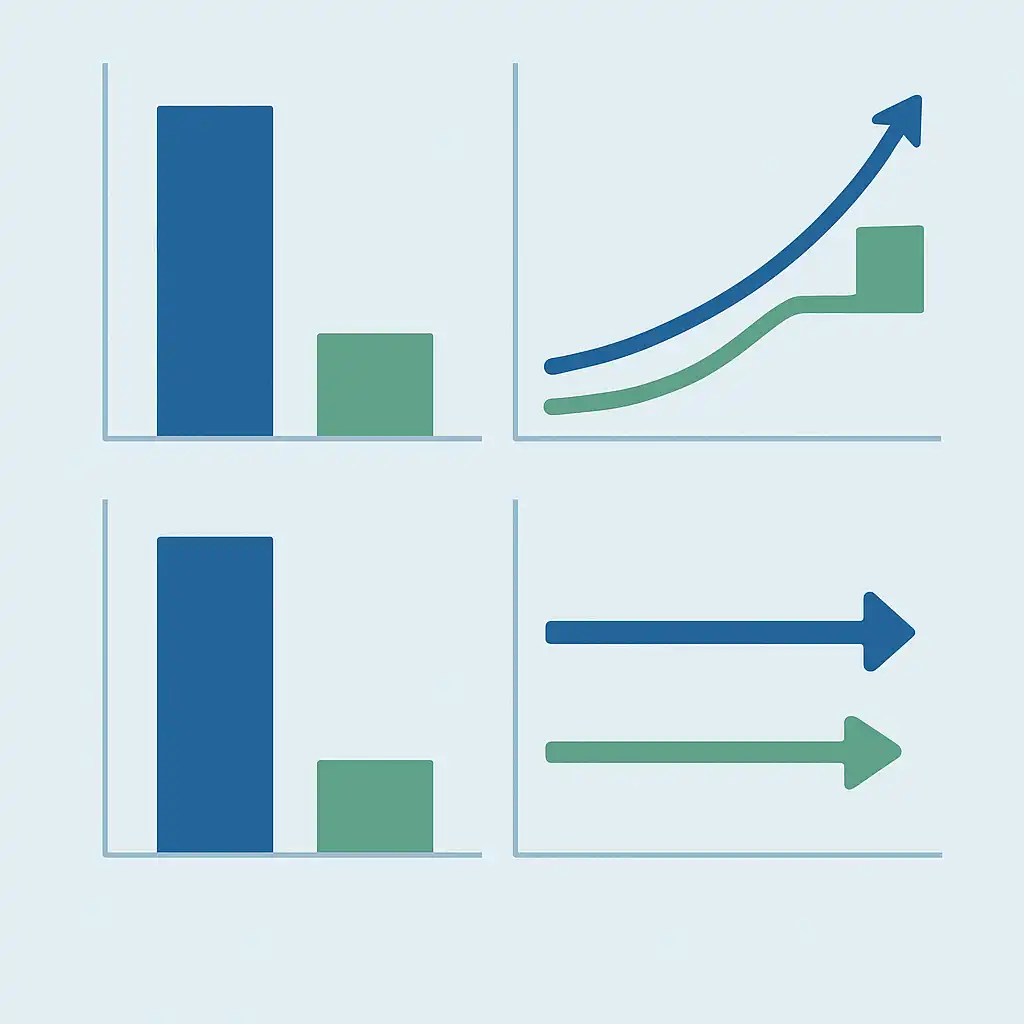
Long-term SEO involves ongoing site and content optimization, while short-term 'hacks' offer temporary results but risk penalties or ranking declines. Sustainable SEO relies on best practices: earning genuine backlinks, producing quality content, and resolving technical issues. Quick fixes—like keyword stuffing or manipulative link schemes—may provide brief boosts but are routinely targeted by search engine updates.
Based on common implementation patterns, website owners who focus on steady SEO improvements tend to see rankings improve and hold, reducing stress from volatility. Shortcuts can seem appealing but often require extra work to recover from negative impacts.
- Long-term SEO: content updates, link earning, site health
- Short-term hacks: manipulative links, spammy tactics, keyword stuffing
Tip: Resist the urge for shortcuts—consistent, quality-driven actions are more likely to help improve SEO rankings and reduce long-term risk.
When to Invest in SEO Tools
SEO tools are most valuable when manual tracking becomes impractical or opportunities for improvement are unclear. These platforms help streamline keyword research, monitor backlinks, track technical health, and assess progress—tasks that are time-consuming to perform manually.
In practice, investing in tools is especially helpful during growth phases or after core site improvements are underway. When handling multiple pages or tracking complex campaigns, tools present actionable insights that can reveal new ways to improve SEO rankings. However, assessing needs and potential time savings before subscribing is wise. Many tools target different areas of the SEO process:
| Tool Category | Primary Function | Best Use Case |
|---|---|---|
| Keyword Research | Find ranking opportunities | Content planning |
| Backlink Monitoring | Assess authority growth | Ongoing outreach tracking |
| Technical Audits | Spot site issues | Health checks & improvements |
Info: Choose tools that align with your current stage—overinvesting early can lead to unused features. Gradually scaling up ensures cost efficiency and greater impact.
Real-World Examples: SEO Improvements That Worked
Understanding how to improve SEO rankings is easier with real-world examples. Below are three practical cases based on common industry scenarios that show how targeted strategies can create measurable ranking gains.
Case: Increasing Rankings with Content Updates
Refreshing old blog content can boost SEO rankings by improving relevance and addressing gaps competitors fill. Updating outdated information, adding new statistics, and expanding topical depth are all proven methods.
In practice, teams often identify older posts maintaining some traffic or links but losing positions over time. By:
- Auditing content accuracy
- Making content more comprehensive
- Updating meta information and images
they frequently see posts regain or surpass earlier rankings. These changes help search engines recognize the page as current and valuable.
Based on common implementation patterns, even minor updates—such as clarifying FAQs or restructuring subheadings—may yield ranking benefits within weeks rather than months.
Case: Transforming Results with Backlink Outreach
Focused backlink outreach is a practical way to improve SEO rankings by increasing a website’s authority in the eyes of search engines. This involves identifying relevant sites, pitching content, and earning high-quality links.
Many organizations prioritize outreach after content is already strong. The process often starts with:
- Creating linkable asset content
- Researching industry-relevant prospects
- Sending personalized outreach emails
When effective, these tactics result in new backlinks from respected sources, directly supporting higher rankings for both targeted and related pages. In experience, using tailored pitches and clear value propositions tends to outperform mass outreach approaches.
Expert Insight: A small site in B2B SaaS earned placements on niche industry blogs after creating a detailed comparison article. The resulting backlinks led to a significant ranking lift for competitive search terms.
Case: Fixing Technical Issues for Quick Wins
Addressing technical SEO problems can unlock quick ranking improvements by removing obstacles that prevent crawling and indexing.
Typical issues include broken links, slow page load speeds, and missing metadata. When site audits reveal these problems, fixing them may result in rankings rising for affected pages almost immediately after the next search engine crawl.
In hands-on projects, implementing redirects for dead links and optimizing core web vitals often correlates with traffic gains within weeks. Technical health improvements are frequently overlooked compared to content and links, but they form the foundation for lasting ranking growth.
Tip: Regular technical audits help catch issues before they hurt SEO. Even popular sites can see fast improvements from basic fixes.
Frequently Asked Questions
What are the fastest ways to improve SEO rankings?
The fastest ways to improve SEO rankings include optimizing page titles and meta descriptions with target keywords, improving site speed, and ensuring mobile-friendliness. Additionally, creating high-quality, relevant content quickly targets user intent. Building a few quality backlinks from authoritative sites also boosts rankings rapidly. These tactics address key ranking factors for quick SEO gains.
How long does it take to see SEO results?
SEO results typically take about 3 to 6 months to become noticeable. This timeline varies depending on factors like competition, website authority, content quality, and consistency of SEO efforts. SEO is a gradual process that requires ongoing optimization and monitoring to improve rankings effectively over time.
Why are backlinks important for SEO?
Backlinks are important for SEO because they act as endorsements from other websites, signaling your site's authority and trustworthiness to search engines. Quality backlinks improve your site's ranking potential and organic visibility. They also drive referral traffic and help search engines discover your pages faster, making backlinks a key factor for boosting SEO rankings.
How do I know if my website is mobile-friendly?
You can check if your website is mobile-friendly by using Google's Mobile-Friendly Test tool. Just enter your website URL, and it analyzes usability on mobile devices. A mobile-friendly site improves SEO rankings by ensuring good user experience on smartphones and tablets, which search engines prioritize.
What are common technical SEO mistakes to avoid?
Common technical SEO mistakes include slow site speed, broken links, missing or duplicate meta tags, poor mobile optimization, improper use of redirects, and ignoring Core Web Vitals like LCP, FID, and CLS. Avoiding crawl errors, ensuring proper indexing, and fixing duplicate content are also crucial. These issues can hurt rankings and user experience if not addressed promptly.
What are free website ranking checker tools for SEO?
You can use free website ranking checker tools like Google Search Console, SEO Ladders' rank tracker, Ubersuggest, or Moz's free tools to see how your site ranks for specific keywords or overall. These tools provide valuable insights into keyword performance and domain authority to help improve your SEO rankings.
How to check most visited websites globally and in a country analytics tools traffic ranking Alexa SimilarWeb tool list
To check the most visited websites globally or by country, use analytics tools like SimilarWeb, Alexa Internet (now retired but archived data may exist), Semrush, and Ahrefs. These platforms provide traffic rankings, visitor insights, and geographic data. Choose based on whether you want overall rankings or detailed analytics on specific websites, as each tool offers unique features.
sites or methods to check website traffic ranking and most visited websites worldwide how to get data for most visited websites traffic statistics
To check website traffic rankings and find most visited websites globally or by country, use tools like Alexa (retiring soon), SimilarWeb, and SEMrush. They provide estimated traffic data, rankings, and audience insights. For specific sites, Google Analytics (if accessible) and Ahrefs offer detailed traffic stats. These platforms use sampling, user panels, and public data to estimate popular site metrics.
Conclusion
Boosting your SEO rankings is about focusing on the essentials and taking consistent, targeted actions.
- Audit your site to uncover technical barriers and fix critical issues
- Optimize your content for keywords and user intent, not just search engines
- Build valuable backlinks and trust signals to enhance your site’s authority
- Regularly monitor your SEO performance and test what actually drives results
Ready to put these SEO strategies into action? Get immediate access to tools for keyword research, backlink tracking, and technical audits by signing up for SEO Ladders’ platform here. Take your first step toward better rankings today.
Take the first step towards transforming your website's performance with actionable SEO insights. Enhance your website's SEO strategy today!
Start for Free