
Table of contents
TL;DR
- Keyword search engines match user queries to indexed keywords.
- They rely on crawlers, indexing, and ranking algorithms.
- Most web search engines, like Google, use advanced keyword search at their core.
- Knowing how they work boosts your SEO strategy.
You spent hours finding the right keywords and still saw your website buried in search results—sound familiar? If you're a website owner or digital marketer, you know how frustrating it is to watch competitors outrank you, all because you lack insight into how keyword search engines actually work.
This article is for you if you've ever wondered, “what are keyword search engines, and why do they matter to my site?” We’ll break down their functions in simple terms, cover core concepts, explain real-world uses, and show you how understanding this one tool can sharpen your entire SEO game.
What Is a Keyword Search Engine? A Clear Definition
A keyword search engine is a software tool that matches user queries with indexed keywords to retrieve relevant results. Understanding what keyword search engines do can clarify how modern digital search functions and why keyword targeting matters for websites and SEO.
Keyword matching explained
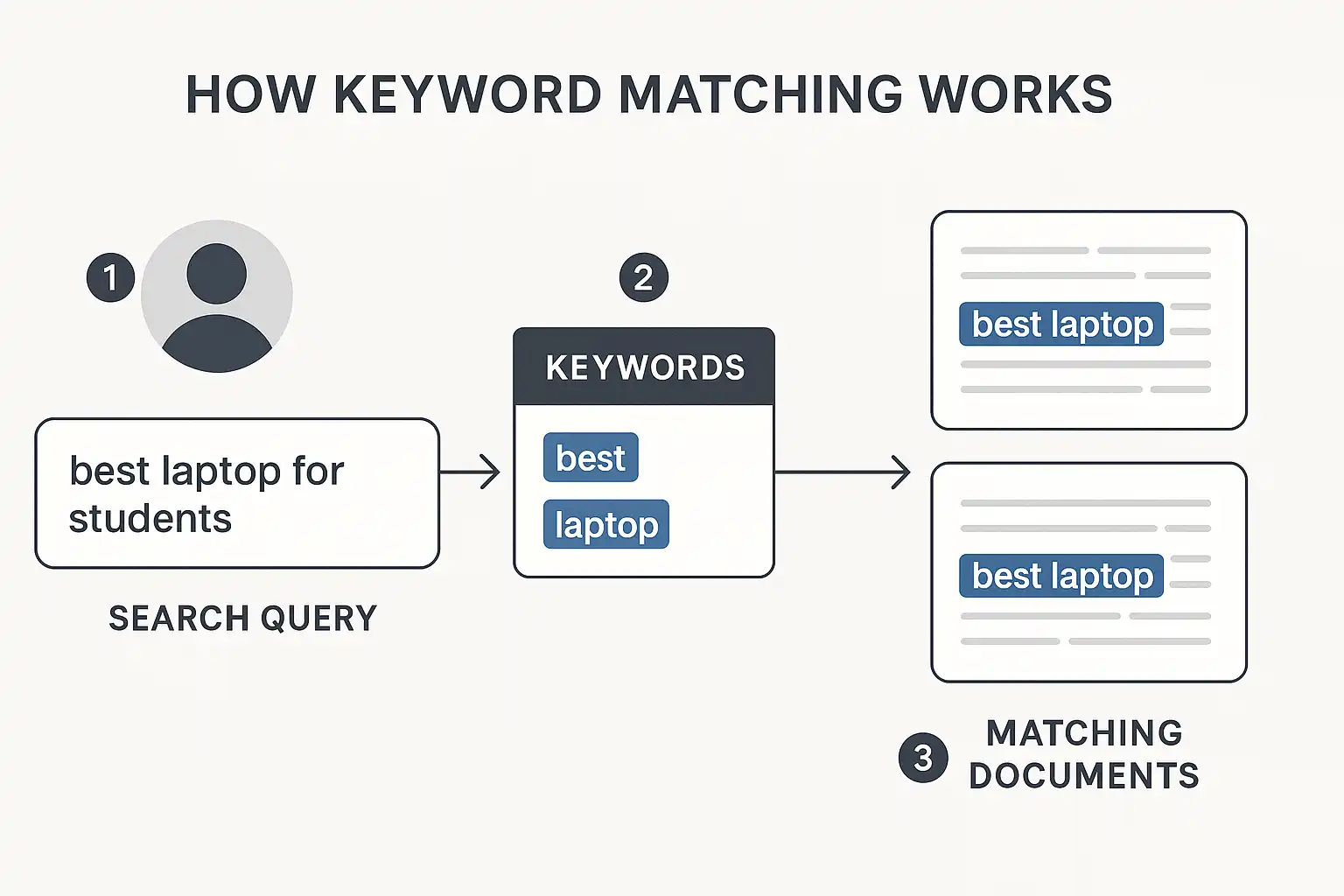
Keyword matching is the core process by which search engines connect user queries to stored information. Keyword matching is the method search engines use to compare user-entered terms with their indexed database to find relevant results. When you type a search, the engine rapidly scans its index for pages containing those exact or closely related keywords.
The relevance of these matches determines the order of results—pages matching more keywords or matching search intent tend to rank higher. Tools that automate keyword research, such as SEO Ladders’ platform, highlight which terms are most discoverable by search engines. In practice, keyword matching isn’t just about what words appear; it’s about how those words align with the user’s intent and how often they occur in quality content. From experience, this process can be sensitive—slight changes in phrasing sometimes yield surprisingly different results, which matters for content optimization.
How indexing works in search engines
Indexing is the process that enables search engines to organize and retrieve information efficiently. Indexing is how a search engine stores and categorizes information from webpages to allow fast and accurate query results. According to Emeritus, indexing starts when a crawler visits a site, identifies page content, and adds important keywords to an internal database.
The indexed data functions like a vast, searchable map—when a search happens, only the relevant locations (webpages) are checked, drastically speeding up results. In everyday site management, it's common to find some content missing from the index if it’s not linked well or blocked by site settings, which can be frustrating for content creators.
Understanding web crawlers and their role
Web crawlers are essential for populating search engine indexes. Web crawlers are automated bots that systematically browse the internet to collect and update webpage information for search engines. These crawlers, sometimes called spiders, navigate from link to link, gathering content and recording which keywords appear on each page.
If you think about the crawling process, it’s like sending a robot on a road trip—covering millions of destinations, but often limited by website permissions or technical barriers. Realistically, many site owners discover crawl errors that prevent their new content from appearing in search, highlighting why keeping site structure healthy matters for discoverability. For more on maintaining a crawl-friendly site, checking out internal resources like Schedule & Publish can be helpful.
Tip: Not all pages end up indexed. Blocking crawlers or missing links can cause your content to be invisible in search, so regularly monitor your site’s index status.
Why Keyword Search Engines Matter for Website Owners
Keyword search engines play a vital role in how websites get discovered and ranked by users searching online. For anyone managing or growing a website, these systems are foundational to building organic visibility and driving meaningful traffic.
Key Benefits

Keyword search engines are essential because they connect user queries to relevant web content using indexed keywords. Without this matching system, websites would struggle to reach audiences seeking their information or services. According to Blogearns, keyword search gives websites the opportunity to appear in search results for phrases users actively type, resulting in targeted traffic.
For a website owner, the main benefits include:
- Improved website discoverability for specific topics
- Ability to attract visitors with a clear informational or purchasing intent
- Support for measuring and refining SEO strategies based on ranking data
In practice, website managers rely on keyword search insights to spot gaps in their content, understand seasonality in search behavior, and prioritize what to publish next. Teams often use dedicated tools for keyword research so they can pick phrases that match their current authority and goals.
Common Use Cases
Website owners use keyword search engines to optimize visibility, track competition, and plan content strategy. Typical scenarios include monitoring which terms drive the most visits, uncovering keywords for new topics, or spotting areas where competitors rank better.
Some website owners prefer automated solutions that streamline keyword discovery and progress tracking. Tools that offer keyword tracking allow ongoing monitoring of site rankings and competitor positions—hugely helpful for iterative SEO optimization.
From experience, a common pitfall is focusing only on broad, high-competition keywords instead of lower-difficulty ones that bring steady, qualified visitors. Savvy owners use keyword search engines to find attainable, high-intent opportunities that align better with their niche and capabilities. Your mileage varies, but this approach usually produces more sustainable long-term results.
Tip: Prioritizing keyword opportunities suited to your website’s domain strength can lead to faster, more consistent traffic growth—don’t just chase the most popular phrases.
Core Keyword Search Engine Concepts You Need to Know
Understanding the mechanics behind keyword search engines is essential for anyone interested in SEO. Let’s break down the foundational search engine concepts that influence how results appear and why user queries yield the answers they do.
Search algorithms and how queries are processed
Search algorithms are step-by-step instructions that determine how keyword queries are understood and matched with indexed documents. A search engine typically follows these essential steps:
- Query Parsing — The engine analyzes the user’s request, breaking it down into keywords and modifiers.
- Index Scanning — It scans its database, seeking relevant documents that contain those keywords.
- Ranking Results — Results are scored, ordered, and returned based on the relevance to the original query and established ranking factors.
According to Udemy’s SEO Training guide, effective algorithms balance speed and accuracy, filtering out low-quality results. In practice, site owners sometimes see unexpected rankings because minor changes in query wording shift how the algorithm weighs results. Curious how keyword strategies are discovered? See keyword research for examples of tools that automate these steps.
Ranking factors and the role of metadata
Ranking factors are variables that search engines analyze to prioritize results. Key ranking factors include keyword presence in content, metadata (like title tags and descriptions), document structure, and site authority.
Metadata is information embedded in a page’s code—like titles and meta descriptions—that helps search engines understand context. Well-written metadata can boost visibility by clearly signaling keyword relevance to both users and algorithms. In my experience, missing or vague metadata often results in content that ranks lower, even if the main text is comprehensive. If you want a practical way to audit or optimize your site’s metadata, exploring a tool like the Meta Description Generator can highlight weaknesses and opportunities without manual guesswork.
Natural language processing in keyword search
Natural language processing (NLP) is the branch of AI that enables search engines to understand and interpret user intent behind a query. NLP lets search engines process not just exact keywords, but the meaning and context around them. For instance, queries like "how do I fix slow WiFi?" return useful results—even if most pages don’t use that exact phrase—because the engine analyzes synonyms and question intent. Research from The Economist’s guide to SEO points out that NLP reduces frustration for users by interpreting conversational searches. In practice, I’ve seen simple keyword matches miss the mark, especially with voice search or longer queries. Keyword tools that incorporate NLP—such as those used in modern keyword ideas generators—help uncover what real users are searching for, not just what algorithms expect.
Expert Insight: Even the best content can struggle to rank if its metadata is poorly structured or misaligned with intent—reviewing metadata regularly bridges this gap.
How Do Keyword Search Engines Work: The Complete Process
Keyword search engines follow a set process to deliver results for user queries. Each step—crawling, indexing, and ranking—is essential for transforming the entire web into searchable data. Here’s how it works, from the ground up.
Step 1: Crawling and discovering content
"Crawling is the process keyword search engines use to systematically discover new and updated content across the internet." Specialized bots, often called web crawlers or spiders, scan web pages to collect URLs and data. They look for links to follow and new sites to index. According to SEOWorld, being listed in multiple directories can help your site get crawled more quickly, increasing visibility. In practice, crawlers can occasionally miss hidden or unlinked pages, so internal linking remains important. If your site structure is confusing, sections might be skipped. This first crawl is only the starting point—actual searchability depends on what comes next.
Step 2: Indexing new information
"Indexing is how keyword search engines organize crawled data into a searchable database." After crawling, the search engine analyzes the discovered content and stores details about each page—keywords, metadata, and structure. Think of this as building a giant catalog of the web. Pages are sorted by topic and relevance to make query matching faster. Site owners aiming for better indexing often turn to smart keyword research to align their content structure with what search engines look for. In practice, I've seen indexing fluctuate—pages may appear, then vanish, depending on technical hiccups, low quality, or thin content. Consistency in updates and site health makes a difference.
Step 3: Processing queries and ranking results
"Processing queries and ranking results is where keyword search engines match user input to indexed content and decide what to show first." When you enter a search, the engine sifts through its index, looking for the most relevant pages based on your keywords, site authority, freshness, and other ranking factors. Algorithms weigh each page, then assemble a ranked list. For owners tracking performance, tools with keyword tracking shine a light on position changes and reveal why certain pages rank higher. From experience, search algorithms can feel unpredictable—sudden updates may shuffle rankings overnight. Seasoned SEOs monitor shifts and update content when rankings drop, though perfect prediction remains elusive.
Expert Insight: Even perfectly optimized pages may not appear in results if they aren't crawled or indexed properly—technical issues can quietly hold back well-written content.
Real-World Keyword Search Engine Examples
Understanding what are keyword search engines becomes clearer when you look at how they function in real systems. Below, you'll see how keyword-based search powers everything from Google rankings to workflow tools for SEO specialists and enterprise content management.
Google’s keyword-based query handling
Google’s keyword search engine processes user queries by finding and ranking web pages that contain relevant keywords. For a typical search, Google’s algorithms scan billions of indexed pages, isolating results where keyword matches—exact or partial—align with user intent. According to HubSpot, search engines must balance literal keyword matches and context, making relevance critical. In practice, Google factors in metadata and synonyms, but keywords still play the central role for most informational queries. Using Google for basic search tasks shows how direct keyword targeting remains fundamental, even as advanced features like natural language processing become more prominent. If you monitor where your pages rank for specific terms, you’re relying on this same core keyword matching system.
SEO tools and their internal search engines
SEO tools incorporate proprietary keyword search engines that allow users to discover target keywords and track rankings. SEO tools are platforms that help website owners optimize content by matching search queries to stored keywords and competitive intelligence data. Real-world options let you see keyword research results, identify ranking gaps, or generate new keyword ideas. In my experience, these platforms offer practical filters and analytics missing from generic search engines, making them essential for targeted SEO campaigns. Most teams quickly learn how to interpret metrics like difficulty, intent, and search volume—skills directly tied to understanding how keyword search engines score and rank results behind the scenes.
Enterprise search solutions for business content
Enterprise search engines are internal systems designed to index large volumes of private business documents and retrieve content using keyword queries. Enterprise search solutions are software platforms that let employees search across emails, wikis, PDFs, and ticketing tools by typing keywords. These differ from public web searches because they prioritize security, access controls, and custom ranking algorithms tuned to business needs. In the real world, users may find that keyword matching works best with consistent tagging and proper document formatting, but unstructured data can trip up even advanced systems. Enterprises often supplement keyword search with metadata or AI to improve accuracy as their content grows.
Expert Insight: Effective use of keyword search engines—whether on Google or within a business—usually depends as much on knowing what keywords to target as on the power of the search engine itself.
Frequently Asked Questions
Are keyword search engines only for websites?
No, keyword search engines are not only for websites; they index and retrieve keyword-based results from various digital content types such as documents, databases, and apps. While primarily used for website SEO, they also help analyze keywords across broader digital platforms. Tools like SEO Ladders use keyword search engine data to optimize and automate SEO content effectively across your website.
How do keyword search engines differ from semantic search?
Keyword search engines match search queries to exact keywords in indexed content, focusing on literal word matches. Semantic search, however, understands the intent and context behind queries, retrieving results based on meaning, synonyms, and user intent. This makes semantic search better at handling natural language and delivering relevant answers beyond just keyword matches.
What’s a common misconception about keyword search engines?
A common misconception is that keyword search engines simply match exact keywords in content. In reality, they use complex algorithms considering context, synonyms, and user intent to rank results. Tools like SEO Ladders help by identifying keywords that align with your site's authority, improving chances to rank beyond basic keyword matches.
How can businesses use keyword search engines to improve SEO?
Businesses can use keyword search engines to identify relevant keywords with sufficient search volume and manageable competition. This helps target content effectively, improve search rankings, and attract qualified traffic. Tools like SEO Ladders automate this process by matching keywords to your domain authority and scheduling optimized content, making SEO efforts more efficient and results-driven.
Do modern search engines still rely on keywords?
Yes, modern search engines still rely on keywords as a foundational element to understand and match user queries with relevant content. However, they now use advanced algorithms that consider context, user intent, and semantic meaning beyond just exact keyword matches. Tools like SEO Ladders help find and target the right keywords while aligning content with search intent to rank effectively in today's sophisticated search environment.
Conclusion
At the core, keyword search engines aren't just about finding popular terms—they help you target what your audience actually searches for and turn that insight into visibility and clicks.
- Define your audience’s intent before starting keyword research
- Use a dedicated keyword search engine to spot realistic ranking opportunities, not just big search volumes
- Analyze competitor keywords to spot gaps and quick-win topics
- Integrate target keywords into new content and update older pages with fresh data
Remember, smart keyword tools are the difference between guesswork and strategic traffic growth.
Ready to put these insights to work? See just how much more you can achieve by tapping into automated keyword research—explore the features at See keyword research and discover smarter keyword targeting today.
Want this done for you? SEOLadders finds the topics, writes the articles, and gets you cited by AI and ranking on Google, on autopilot.
7-day free trial · Cancel anytime